Pulpit Rock Back Track vs Standard Trail: Which Hike Should You Choose?

Most people visiting Stavanger know the photograph: a flat cliff hanging 604 metres above Lysefjord. The usual route to Pulpit Rock (Preikestolen) is a wonderful hike, but it's not the only way to experience this mountain.
There is another approach that I particularly enjoy guiding. It takes us away from the busiest stretches of the standard path, across more varied mountain terrain and towards broad views of the fjord – sometimes looking down on Pulpit Rock before reaching it from behind.
I'm Espen, the local guide behind Stavanger Adventure. I've walked these mountains with guests on very different days: bright sun, low clouds, quiet mornings and busy afternoons. The photos here are from real hikes and canoe outings in the area, not stock images. Let me explain what makes the Back Track different, and which route might suit you best.
If the quieter, more adventurous approach already sounds appealing, you can read about my private Pulpit Rock Back Track hike from Stavanger. If you would prefer a more straightforward outing, the standard private Pulpit Rock hike may be a better fit.
Pulpit Rock Back Track vs the standard hike: the main differences
Both routes lead to the famous Preikestolen area and those extraordinary views over Lysefjord. The difference is how you get there, what you see along the way and how much effort you want to put into the day.
Standard Pulpit Rock hike: usually around 8 km return and 4–6 hours on the trail, following the main marked path in both directions.
Pulpit Rock Back Track: generally about 5–7 hours on the mountain, depending on route, weather, pace and breaks, with rougher terrain and a quieter alternative approach.
Standard route: maintained trail with stone steps, walkways, rocky stretches and many other hikers in the main season.
Back Track: more varied, sometimes less-defined mountain ground, open viewpoints and a different perspective above the fjord.
Return on Back Track: generally via the standard Preikestolen path, so you can experience both approaches in one outing.
Optional canoe: possible for some Back Track plans if logistics, weather and conditions allow, but never required or guaranteed.
For an easy comparison, the standard guided hike typically involves roughly 350–400 metres of elevation gain, while the Back Track may involve about 400–450 metres. These are route estimates rather than a fixed measurement for every outing.
Why I like the quieter approach
What I like most about the Back Track is how gradually the landscape changes. We start away from the busy main flow, make our way through forest and rougher ground, and eventually reach the more open mountain. There are places where you want to stop simply because the view has appeared between the rocks.
It feels more like exploring a mountain landscape than walking straight to one famous viewpoint. You notice the shape of the terrain, the small changes in light, and the silence when we are away from the main path.

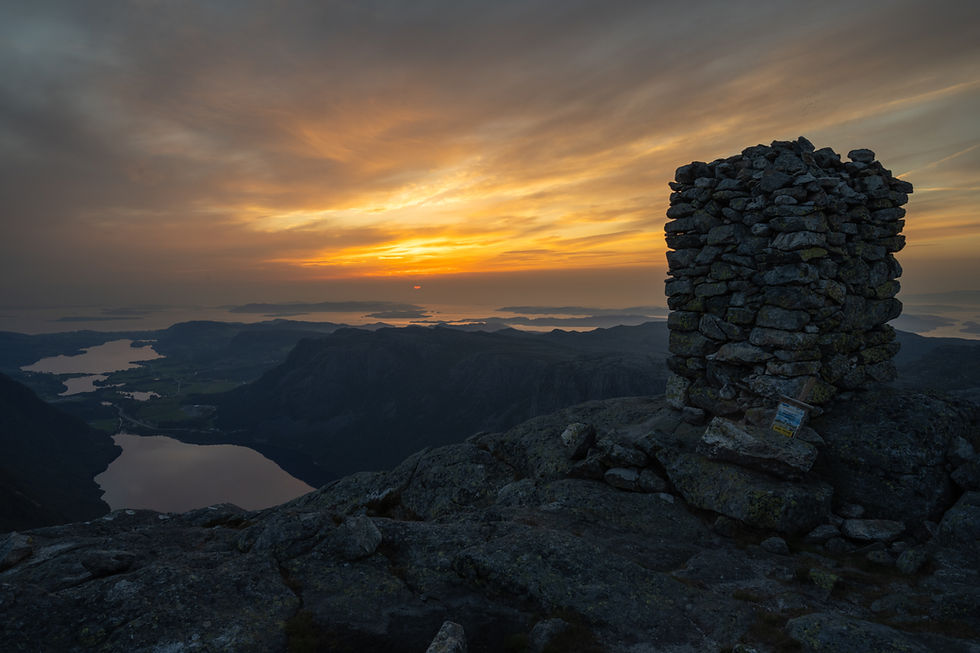
When the weather is clear, we can look across Lysefjord from angles that many visitors never see. Depending on the exact approach and conditions, the views can extend towards the Preikestolen plateau from higher ground. It is a very different introduction to the fjord from arriving along the popular trail.

This doesn't mean you have the entire mountain to yourself. The Back Track is usually quieter during the approach, but the last part near Preikestolen and the return on the standard path can still be busy.
Is the Back Track harder than the regular Pulpit Rock hike?
Yes. I would describe the Back Track as the more demanding option, even though you don't need to be an expert mountaineer. It is less about a huge difference in distance and more about the type of ground beneath your feet.
The standard route has a developed path, stone steps and wooden walkways. It still requires reasonable fitness, and wet stone can be slippery, but the way is more predictable. On the Back Track we spend more time on natural rocky terrain, where balance and steady footing matter.

If you have ordinary hiking fitness and feel comfortable on rough ground, the Back Track can be a fantastic choice. If someone in your group struggles with uneven terrain, has limited stamina, or is nervous on exposed slopes, I will normally recommend the standard route instead. There is no point choosing the tougher option just because it sounds more exclusive.
For more detailed information about the classic path, equipment and timing, my complete Pulpit Rock hike guide covers the practical essentials.
What about the canoe section?
One of the questions I sometimes get about Back Track is whether we can include a canoe crossing. As you can see in these photos, I have enjoyed outings in the area with canoes on calm inland water. It can be a lovely way to begin or complement a mountain day.


But I want to be very clear: the canoe is an optional possibility, not a standard or guaranteed part of the Back Track. Access, equipment, group size, logistics and especially the weather all need to line up. I assess this individually and only offer it when the arrangements and conditions make sense.
You can complete the entire hike on foot. If you are particularly interested in the canoe element, tell me when you enquire and I can explain what is realistic for your date.

The reward is more than one photograph
Of course, standing at Pulpit Rock is an extraordinary moment. That wide slab of granite above the fjord is famous for good reason. But some of my favourite photographs from the Back Track were taken long before we reached it.
I've seen guests sit down on a rock, pull out a phone to capture the view and then forget about the photograph for a moment. They just look. That is part of the attraction of a slower, private day in these mountains.

There is room for a little humour too. Some guests celebrate when the climb is behind them; others simply sit quietly, enjoying the fjord far below. I find those moments as memorable as the destination.

The landscape also changes with the weather. A clear blue sky reveals the full depth of Lysefjord, while low cloud gives the mountains a moodier character. Both can be beautiful, but visibility and safe footing always come first.
A private Back Track hike from Stavanger
For a private tour, I can arrange pickup at your hotel, cruise port or another agreed location in Stavanger. We travel together to the hiking area, and I adapt the start time to the forecast, daylight and your schedule.
On the trail I set a steady pace, with breaks when we need them. I know that some guests want to take lots of photos while others prefer to keep moving. I bring first-aid and safety equipment, along with some simple Norwegian treats and hot drinks. I also take photographs during the hike so you can enjoy being in them.

We then make our way to the Preikestolen area and, when the route and conditions allow, return along the standard trail. That combination is what gives the Back Track its character: a quieter, more varied way in, followed by the familiar path back.
The tour is a private outing, not a place on a large mixed group hike. You can find the latest practical details on the Pulpit Rock Back Track product page.
Which route is better for families and cruise guests?
For families with younger children, I usually lean towards the standard Pulpit Rock hike. There is less uncertainty about the terrain, and we have more flexibility to keep the day manageable. The Back Track is better suited to older children and adults who already enjoy longer hikes on uneven ground.
Cruise visitors need to think about time as well as fitness. The standard private hike is normally the easier option for a port call with limited hours. A Back Track outing generally needs a more generous window. I always look at your ship's actual arrival and departure times before recommending a route, leaving a sensible return margin.
The Back Track may suit visitors with a full day in Stavanger, couples who enjoy mountain walks and small private groups looking for something beyond the most popular path. The standard tour is an excellent choice for first-time mountain hikers or anyone who primarily wants the iconic Preikestolen experience.
When is the best time to hike the Back Track?
Late spring through autumn is usually the most practical period, but mountain conditions vary considerably. Some early-season sections may still hold snow, while rain and wind can make otherwise straightforward rocks slippery.
Summer offers long daylight hours, but it is also the busiest time on the main Preikestolen trail. Travelling earlier in the day or choosing a quieter approach can improve the experience, although neither guarantees solitude.
Because the Back Track uses rougher terrain, I pay particular attention to visibility, rain, footing and the abilities of the group. I will suggest a change to the standard route if I think it is the wiser option on the day. For general local hiking information, see Lysefjorden 365.
What should you bring?
You don't need specialist climbing equipment, but you should come prepared for several hours outdoors in changeable Norwegian mountain weather.
Hiking shoes or boots with good grip on wet and uneven rock.
A waterproof and windproof jacket, plus layers for cooler conditions.
Water, a packed lunch and extra snacks for the day.
A small backpack and any personal medication you might need.
A charged phone and comfortable clothing that allows you to move freely.
I will give you practical advice before the hike, based on the forecast and your group. If you are planning a canoe-assisted option, we will discuss that separately.
Frequently asked questions about the Pulpit Rock Back Track
Is the Back Track the same as the standard Pulpit Rock trail?
No. The Back Track uses a different, quieter approach through more varied mountain terrain before reaching the Preikestolen area. The return generally follows the standard trail.
How long does the Back Track take?
Allow approximately 5–7 hours for the mountain hike, with variations for weather, pace, photography and the chosen route. Pickup and return travel from Stavanger are additional.
Does the Back Track go to the famous Pulpit Rock viewpoint?
Yes, the aim is to enjoy the Preikestolen area and its famous viewpoint, provided conditions and the group allow us to proceed safely.
Is canoeing included in every tour?
No. Canoeing is an optional addition only when suitable arrangements and conditions allow. The Back Track can be walked in full without a canoe.
Is Back Track less crowded than the main trail?
The alternative approach is often quieter than the busiest sections of the standard trail. However, Preikestolen itself and the return path can still be busy, particularly in summer.
Can I do the Back Track without a guide?
The surrounding mountains are open to independent hikers, but the Back Track is less straightforward than the main marked Preikestolen trail. If you are unfamiliar with the terrain, a local guide can help with navigation, route choice and decisions about conditions.
Should I choose Back Track or the standard hike?
Choose the standard hike if you want the classic route and a more predictable trail. Consider Back Track if your group is comfortable on rough mountain terrain and you want a quieter approach with a wider variety of views. If you are unsure, tell me a little about your hiking experience and I'll give you a recommendation.
Choose the Pulpit Rock experience that suits you
I don't think everyone should choose the Back Track. Some of my guests are happiest reaching Preikestolen by the traditional trail, taking their time at the viewpoint and enjoying a comfortable day together. Others are at their best when we leave the busier route behind and explore a little more of the landscape.
Both are good hikes. The best one is the one that fits the people doing it.
You can explore my private Pulpit Rock Back Track hike or compare it with the standard private Pulpit Rock tour. If you prefer a different, quieter mountain entirely, you can also read about other alternatives to Pulpit Rock near Stavanger.
Or simply tell me about your plans – your date, the people joining and the kind of hiking day you enjoy. I'll help you choose a route that makes sense.
— Espen, Stavanger Adventure


Comments