Best Things to Do in Stavanger – A Local Guide to Fjords, Hiking and Unique Experiences

Updated: Mar 13
If you’re searching for the best things to do in Stavanger, Norway, you’ll quickly discover that this coastal city is one of the most spectacular gateways to nature in Scandinavia. Stavanger sits on the edge of the dramatic Lysefjord, surrounded by mountains, islands and some of Norway’s most iconic landscapes. This guide highlights some of the best things to do in Stavanger - from famous attractions and scenic fjord landscapes to outdoor experiences that many visitors never discover.

Many visitors come to hike to Pulpit Rock (Preikestolen), one of the most famous viewpoints in the world. But the Stavanger region offers far more than a single hike. Scenic fjord boat tours, hands-on fjord fishing experiences, and hidden mountain trails make the area one of the most diverse outdoor destinations in Norway.
Whether you’re travelling as a couple, with friends, or with kids looking for outdoor adventures, Stavanger offers experiences that combine spectacular scenery with memorable activities on the fjord and in the mountains.
As a local guide exploring these fjords and mountains throughout the year, I’ve gathered some of the best activities and experiences in Stavanger - from iconic highlights to lesser-known adventures that many visitors never discover.
Best Things to Do in Stavanger
If you're visiting Stavanger, the region offers a wide range of outdoor experiences shaped by fjords, mountains and coastal islands. Many of the most memorable activities combine dramatic landscapes with opportunities to explore nature at a slower pace.
Some of the best things to do in Stavanger include:
• Hiking to spectacular viewpoints such as Pulpit Rock (Preikestolen)
• Exploring the dramatic landscapes of the Lysefjord by boat
• Experiencing fjord fishing in the calm coastal waters surrounding Stavanger
• Discovering coastal islands in the local archipelago
• Enjoying short scenic hikes with views over fjords
• Observing wildlife and marine life along the fjord shoreline
These experiences allow visitors to discover several different landscapes within a relatively small area. From mountain viewpoints high above the fjord to quiet coastal islands and sheltered fishing grounds, Stavanger offers outdoor adventures that combine dramatic scenery with authentic nature experiences.
In This Guide
Why Stavanger Is One of Norway’s Most Unique Destinations
Few places in Norway offer such a dramatic meeting of fjords, mountains and coastline as the Stavanger region. Located on the edge of the spectacular Lysefjord, the city is surrounded by steep cliffs, island landscapes and panoramic mountain viewpoints that are among the most impressive in Scandinavia.

What makes Stavanger especially unique is how accessible this nature is. Within a short drive or boat trip from the city centre, visitors can reach iconic destinations like Pulpit Rock (Preikestolen), explore the calm waters of the fjord, or hike lesser-known mountain trails overlooking the coastline.
For travellers who enjoy active experiences, Stavanger offers a rare combination of world-class hiking, scenic fjord landscapes and authentic outdoor adventures - all within easy reach of the city.
Hike to Pulpit Rock (Preikestolen)
Few experiences near Stavanger are as unforgettable as standing on Pulpit Rock (Preikestolen), one of the most famous viewpoints in Norway. The flat cliff plateau rises 604 metres above the Lysefjord, offering a breathtaking panorama of the fjord, the surrounding mountains and the vast landscape of southwestern Norway.

The classic hike to Pulpit Rock follows a well-built mountain trail and normally takes 4–5 hours round trip. While many visitors choose to hike independently, joining a guided hike from Stavanger can make the experience far more relaxed. With transportation arranged and a local guide leading the way, you can focus on the scenery, learn about the landscape and enjoy a completely hassle-free mountain experience.
For those looking for a more adventurous route, there is also a lesser-known alternative often referred to as the Back Track route.

This path approaches the mountain from a quieter side of the fjord and offers a very different experience. The hike is more demanding, but it rewards hikers with continuous views of the Lysefjord, dramatic mountain terrain and significantly fewer people on the trail. Because navigation is more complex and the terrain steeper, this route is best experienced with a guide who knows the mountain and local conditions.
Visitors who want to experience Pulpit Rock with a local guide — either via the classic trail or the quieter Back Track route - can explore my private hiking tours from Stavanger.
Try Fjord Fishing in Stavanger
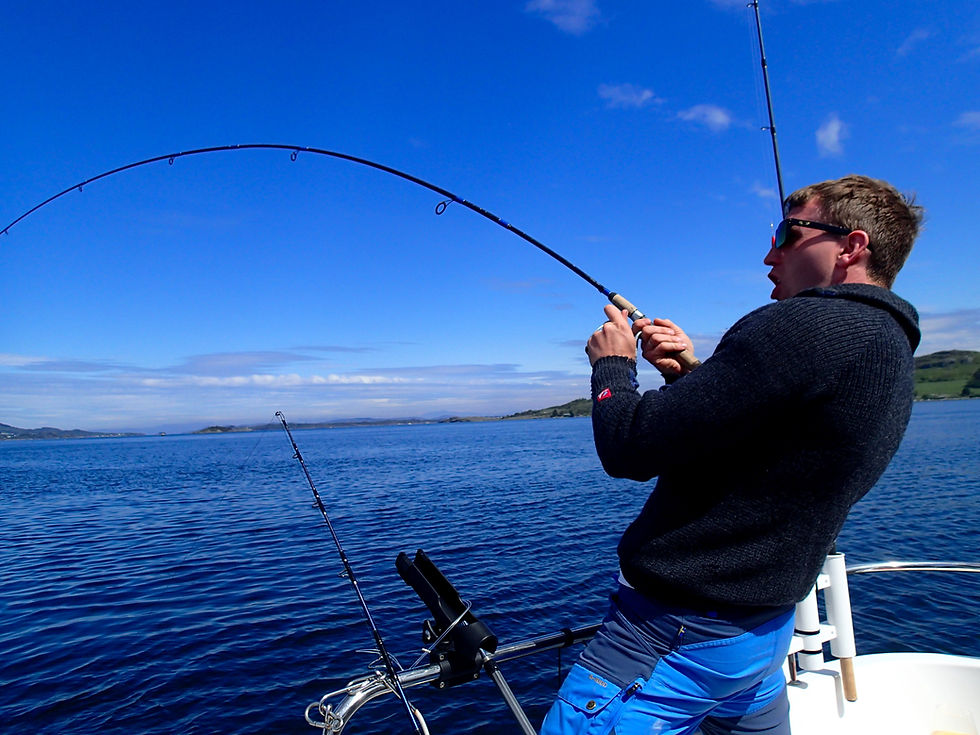
Fishing in the fjords around Stavanger offers a very different way to experience Norway’s coastal landscapes. Surrounded by steep mountains, deep water and quiet island channels, the Lysefjord and nearby fjords provide excellent conditions for a relaxed and memorable fishing trip.

Unlike offshore fishing on the open sea, fjord fishing usually takes place in calmer and more sheltered waters, making it accessible even for beginners and families with children. Within a short distance from Stavanger, anglers can fish for species such as cod, pollock, coalfish and mackerel, depending on the season and conditions.
One of the most fascinating aspects of fjord fishing is the constantly changing underwater landscape. Deep drop-offs, underwater ridges and tidal currents create feeding areas where fish gather throughout the year. For visitors who want a deeper understanding of how this kind of fishing works, what species can be caught and why fjord fishing in Stavanger feels so different from offshore fishing, you can read my Ultimate Guide to Fjord Fishing in Stavanger.

In some parts of the Lysefjord, it is even possible to combine fishing with views of Pulpit Rock (Preikestolen). While drifting over deep fjord waters, anglers can look up at the massive cliff rising high above the fjord - a perspective very different from the famous hike above. Few experiences combine the dramatic scenery of the fjord with such an engaging outdoor activity.
While it is possible to fish from land in some locations, exploring the fjord by boat allows access to far more productive fishing grounds and spectacular scenery. Visitors interested in experiencing this can explore my private fjord fishing tours from Stavanger, where scenic fjord cruising is combined with hands-on fishing in some of the region’s most beautiful waters.
Explore the Lysefjord by Boat
One of the most spectacular ways to experience the Stavanger region is by travelling through the Lysefjord by boat. The fjord stretches more than 40 kilometres inland and is surrounded by towering granite cliffs, cascading waterfalls and small remote farms clinging to the mountainsides.

Seeing the fjord from the water reveals a completely different perspective than from the hiking trails above. As the boat moves quietly through the deep blue fjord, visitors pass beneath dramatic rock walls, discover hidden coves and witness the immense scale of the landscape that has shaped this region for thousands of years.
For a deeper understanding of how these experiences work and what makes them different from traditional fjord cruises, you can also read my Ultimate Guide to Private Fjord Tours in Stavanger.
Along the way, boats often pass well-known natural highlights such as Hengjanefossen, a powerful waterfall that plunges directly into the fjord, and Fantahålå, a small cave in the cliff where local legends say outlaws once hid from the authorities. These landmarks add another layer of history and character to the fjord landscape.

Scenic fjord cruising also allows access to parts of the Lysefjord that are difficult to reach by land. From the water it is possible to see remote fjord farms, hidden bays and some of Norway’s most famous viewpoints, including Pulpit Rock (Preikestolen) towering high above the fjord.
Wildlife is also an important part of the experience. Seabirds often follow the cliffs and on calm days the fjord can feel incredibly peaceful, offering a rare opportunity to experience Norway’s nature from the quiet perspective of the water.
Visitors who want a more personal way to explore the fjord can join a private fjord tour from Stavanger, where the journey combines scenic fjord cruising with the flexibility to visit hidden corners of the fjord and enjoy the landscape at a relaxed pace.
Discover Hidden Hikes Around Stavanger
Many visitors arrive in Stavanger with Pulpit Rock (Preikestolen) at the top of their list. The famous viewpoint above the Lysefjord is undoubtedly spectacular, but its popularity also means that the trail can become busy, especially during the main travel season.
What many travelers do not realize is that the mountains around Stavanger offer numerous other hiking opportunities with equally impressive scenery and a far quieter atmosphere. For those who enjoy a more relaxed pace, varied terrain and a stronger sense of being alone in nature, these lesser-known routes can often provide an even more memorable experience.
Mountains such as Reinaknuten, Ramnstoknuten and The Hat (Hatten) reveal a different side of the region’s landscape. These hikes typically see far fewer visitors than the main Pulpit Rock trail and allow hikers to experience the fjord scenery in a calmer and more flexible way.

Reinaknuten offers a particularly local feeling. The trail passes through varied terrain and opens up to wide views over fjords and coastal mountains, yet it remains relatively unknown to most international visitors. The atmosphere often feels quiet and unhurried, making it ideal for travelers who value space and presence in the landscape.
Ramnstoknuten, on the other hand, is a longer and more immersive mountain hike. The route leads into open terrain with expansive views over the Lysefjord and surrounding peaks. Because of the distance and more natural trail conditions, it tends to attract hikers who enjoy spending more time in the mountains rather than simply reaching a viewpoint.

The Hat (Hatten) provides another memorable alternative. This hike combines dramatic scenery with a slightly more exploratory feel, as the terrain becomes less structured than the well-built Pulpit Rock trail. The summit offers impressive views while maintaining a sense of quiet that can be difficult to find on more famous routes.
For travelers interested in discovering quieter trails and understanding the many hiking options around the region, you can explore my Alternatives to Pulpit Rock – Quiet Hikes Near Stavanger, which focuses on lesser-known routes, or the more detailed Ultimate Guide to Hiking Around Stavanger, explaining iconic hikes, quieter alternatives and how to choose the right hike for the day.
Explore the Islands and Archipelago Around Stavanger
Beyond the mountains and fjords, Stavanger is also surrounded by a beautiful coastal landscape of islands, narrow sounds and sheltered waterways. This archipelago stretches from the city harbor and continues north and east into the Ryfylke region, creating one of the most varied coastal environments in western Norway.

Many visitors focus mainly on the famous fjords, but the islands around Stavanger offer a very different perspective on the region. Here the scenery changes constantly - from small rocky islets and quiet coves to traditional coastal houses, historic harbors and open viewpoints across the North Sea and surrounding fjords.
This island landscape has shaped life along the coast for centuries. Fishing villages, boat routes and small communities developed between these islands long before modern roads connected the region. Exploring this part of Stavanger therefore also gives visitors a glimpse into the coastal culture and maritime traditions that have defined the area for generations.

Several islands in the Stavanger archipelago offer scenic walking paths, viewpoints and quiet natural areas. Others are best experienced from the water, where narrow channels and hidden bays reveal parts of the coastline that are difficult to reach by road. Moving slowly between the islands allows you to appreciate the scale and variety of the landscape in a much deeper way than simply passing through on land.
For visitors who want to experience both the island landscape and the dramatic fjords nearby, exploring the coastline by boat offers a unique perspective on the region. You can explore these landscapes on my private fjord tour experiences from Stavanger, where routes often include both the Lysefjord and the beautiful archipelago surrounding the city.
Things to See in Stavanger City
While many visitors come to Stavanger for the surrounding fjords and mountains, the city itself also offers several interesting sights worth exploring. Stavanger combines a long maritime history with modern culture, and many of its most notable landmarks can easily be visited within a short walking distance in the city center.

Old Stavanger is one of the most charming historic areas in Norway. This district consists of more than 170 preserved wooden houses from the 18th and 19th centuries, creating a quiet and picturesque neighborhood of narrow streets, white façades and small gardens. Walking through Gamle Stavanger offers a glimpse into the city’s past as a fishing and trading port.
Just a few minutes away stands Stavanger Cathedral, the oldest cathedral in Norway still in continuous use. Built in the 12th century, the cathedral combines Romanesque and Gothic architectural elements and remains an important historical landmark in the city.
For visitors interested in Norway’s modern history, the Norwegian Petroleum Museum provides insight into how offshore oil and gas transformed the country’s economy and society. Interactive exhibitions explain the technology, challenges and cultural impact of the petroleum industry in a way that is accessible to both adults and families.

A short drive from the city center brings you to Sverd i fjell (Swords in Rock), one of Stavanger’s most recognizable monuments. Three enormous bronze swords stand beside the Hafrsfjord, commemorating the Battle of Hafrsfjord in 872, which according to tradition unified Norway into one kingdom.
Together, these landmarks provide a glimpse into Stavanger’s history - from medieval times and maritime traditions to the modern energy industry that helped shape the city we see today.
Things to Do in Stavanger with Kids
Stavanger is also one of the most family-friendly destinations in Norway for travelers who enjoy outdoor activities. With its combination of fjords, islands and accessible mountains, many outdoor activities can easily be adapted for children. Instead of crowded attractions, families often find that the most memorable experiences here happen in nature - pulling up a fish from the fjord, spotting seabirds along the coast or reaching a scenic viewpoint after a short hike.

Several activities around Stavanger work particularly well for families. Fjord fishing is often a highlight for children, as they can actively participate while learning about life in the fjord.
Exploring the Lysefjord by private boat allows families to see waterfalls, dramatic cliffs and small fjord farms while traveling comfortably through calm waters. Even hiking can be family-friendly when choosing shorter routes with rewarding views.

Children also tend to enjoy the simple wildlife encounters that happen naturally along the coast - seabirds diving for fish, marine life near the boat or the changing landscapes of the fjord and islands.
If you are visiting Stavanger with children and want a more detailed overview of family-friendly activities, you can read my full guide:
How to Plan the Perfect Stavanger Adventure
Planning a visit to Stavanger is often easier than many travelers expect. The region offers an unusual combination of fjords, mountains and coastal landscapes within short distances, making it possible to experience several very different activities during the same trip.
Because many highlights are located close to the city, visitors can combine outdoor experiences with time in Stavanger itself without spending long hours traveling between locations.
How Many Days to Spend in Stavanger
Most visitors find that two to three days in the Stavanger region allows enough time to experience the highlights without rushing.
With two days, many travelers choose to combine a fjord experience or a fishing trip with one of the region’s scenic hikes. Spending a day on the water - exploring the fjord landscape or fishing in the sheltered coastal waters - offers a completely different perspective on the area than hiking alone.
With three or more days, visitors can explore the region at a more relaxed pace. Many choose to combine fjord fishing, boat exploration of the Lysefjord and one or two mountain hikes, creating a balanced mix of activity, scenery and time outdoors.
Because Stavanger offers both dramatic mountains and calm fjord environments within short distances, it is easy to combine fishing, hiking and fjord exploration during the same visit.
Combining Different Experiences
One of the best ways to experience Stavanger is to combine activities on land and on the water.
Hiking provides panoramic views of the fjords and surrounding mountains, while boat experiences reveal the dramatic scale of the landscape from sea level. Many visitors also enjoy combining scenic cruising with hands-on activities such as fishing or wildlife observation.
Because distances are relatively short, these experiences can often be combined within the same trip without complicated logistics.
Weather and Seasons in Stavanger
Weather plays an important role when planning outdoor activities in western Norway. Conditions can change quickly, and the experience may vary significantly between seasons.
Spring and summer typically offer the most stable hiking conditions and longer daylight hours, making them ideal for exploring the mountains and fjords. Autumn often brings beautiful colors and quieter trails, while winter can offer a calmer atmosphere and dramatic coastal light, even though some hiking routes may require more preparation.
For this reason, many visitors choose experiences that allow flexibility in pace and route, adapting the day to weather and conditions rather than following a rigid schedule.
With the right balance of hiking, fjord exploration and time to enjoy the coastal landscape, a visit to Stavanger can offer a surprisingly varied and memorable adventure.
When joining one of my private tours, I am also happy to help guests plan the rest of their stay in the region. Many visitors appreciate local guidance on how to combine hikes, fjord experiences and quieter places in a way that fits their available time and weather conditions.
This often helps create a more relaxed and well-balanced Stavanger experience, without the need to rush between activities.
Explore Stavanger with a Local Guide
Exploring the Stavanger region with a local guide can often give visitors a deeper and more relaxed experience of the landscape. Instead of following fixed schedules or crowded group tours, private guiding allows the day to unfold naturally based on weather conditions, interests and pace.

Stavanger Adventure offers private outdoor experiences designed for travelers who value calm, personal and authentic nature encounters. Each tour is adapted to the group, allowing time for conversation, learning and quiet moments in the landscape rather than rushing between predefined stops.
Because the tours are private, the experience can be adjusted throughout the day. Routes, pacing and focus may change depending on conditions, group preferences and the natural rhythm of the environment. This flexibility often creates a more meaningful experience of the fjords, mountains and coastal landscapes surrounding Stavanger.
Stavanger Adventure offers several types of private outdoor experiences, including guided hiking tours, fjord boat tours and hands-on fjord fishing trips. Each activity provides a different perspective on the region’s landscape and culture.
You can explore the different experiences here:
All tours are guided personally by a local guide and designed to offer a calm, flexible and personal way to experience the nature around Stavanger.
Design Your Own Private Stavanger Adventure
While many visitors come to Stavanger with specific plans in mind, some of the most memorable experiences in the region happen away from the most well-known routes.

With local knowledge and flexible planning, it is often possible to create outdoor experiences that go beyond standard itineraries. These can include quiet mountain hikes far from busy trails, exploring lesser-known viewpoints, or spending extended time in nature at a slower pace.
Depending on interests, weather and season, a custom experience can include:
• hiking routes where few visitors go
• overnight trips to remote mountain cabins
• tent camping in the mountains or along the fjord
• mountain lakes and small fjord fishing spots
• photography locations known mostly to locals
• longer exploration days combining several landscapes
These experiences are always adapted to the people joining the trip, allowing time for learning, conversation and a deeper connection with the landscape.
If you are interested in creating a fully private and customized outdoor experience, you are always welcome to reach out and explore what might be possible during your visit.
FAQ – Visiting Stavanger, Norway
How many days do you need in Stavanger?
Most visitors spend two to three days in Stavanger to experience the region properly without rushing. This allows time to hike to Pulpit Rock (Preikestolen), explore the Lysefjord by boat and discover the coastal landscapes surrounding the city.
Travelers who stay longer often combine several outdoor activities such as fjord fishing, mountain hikes and scenic boat trips between the islands and fjords. Because the region is relatively compact, it is easy to experience both mountains and fjords within a short visit while still keeping a relaxed pace.
What is the best time to visit Stavanger?
The most popular time to visit Stavanger is from May to September, when hiking conditions are generally stable and daylight hours are long. During this period visitors can fully enjoy outdoor activities such as hiking, fjord cruises and fishing.
Spring and early autumn are also excellent seasons to visit. Trails are often quieter and the landscape can be particularly beautiful. Even in winter the region offers dramatic coastal scenery and calm fjord environments, although some mountain routes may require more preparation depending on weather conditions.
Is Stavanger worth visiting?
Yes - Stavanger is widely considered one of the most spectacular nature destinations in Norway. The region combines dramatic fjords, mountain viewpoints and island landscapes within a very small area.
Visitors can hike above the Lysefjord, explore the fjord by boat, discover quiet coastal islands or experience activities such as fjord fishing in sheltered waters. This rare combination of mountains, fjords and coastline makes Stavanger a unique destination for travelers who enjoy outdoor experiences and scenic landscapes.
Can you visit Pulpit Rock (Preikestolen) from Stavanger?
Yes. Stavanger is the main gateway to Pulpit Rock (Preikestolen), one of Norway’s most famous natural viewpoints. The trailhead can be reached from the city by ferry and bus, by car, or by joining a guided hiking tour with transportation included.
The hike itself normally takes around four to five hours round trip and follows a well-maintained mountain trail. Many visitors also choose guided hikes from Stavanger, which can make the experience more relaxed by handling transport logistics and providing local knowledge about the landscape.
Are there things to do in Stavanger besides hiking?
Absolutely. While hiking to Pulpit Rock is one of the most famous experiences, Stavanger offers many other outdoor activities. Visitors can explore the Lysefjord by boat, discover the islands and coastal landscapes around the city, or try fjord fishing in calm sheltered waters.
The city itself also has historic sights such as Old Stavanger, Stavanger Cathedral and the Norwegian Petroleum Museum. This mix of nature experiences and cultural landmarks makes Stavanger a diverse destination that offers much more than a single famous hike.
How do you get from Stavanger to Lysefjord?
The Lysefjord can be reached from Stavanger in several ways. Many visitors travel by ferry and bus to the trailhead for Pulpit Rock (Preikestolen), while others explore the fjord by boat.
Boat trips from Stavanger offer a very different perspective on the fjord, allowing visitors to see waterfalls, steep cliffs and remote fjord farms that are difficult to reach by land. Private fjord tours and fishing trips also depart directly from Stavanger and provide a more flexible way to explore the fjord landscape.
Final Thoughts – What Makes Stavanger Special
What makes the Stavanger region special is not only the dramatic scenery, but how naturally different landscapes come together within a short distance.
Mountains rise directly from deep fjords. Quiet islands lie just beyond the city. Sheltered coastal waters offer calm environments for fishing, exploration and wildlife encounters.
Because of this unique geography, visitors can experience several very different landscapes within the same trip. One day may be spent hiking above the fjord, the next exploring the coastline by boat, or simply slowing down and enjoying the quiet rhythm of nature.
For many travelers, Stavanger becomes memorable not because of a single viewpoint or attraction, but because of the balance between mountains, fjords and coastal life.
It is a place where nature is always close - and where the experience often feels calm, personal and real.
Calm. Personal. Real.

Comments