The Ultimate Guide to Fjord Fishing in Stavanger

Updated: Nov 2
A local guide to real fishing, seasonal species and private adventures on Norway's fjords

Fjord fishing in Stavanger is a wonderful way to discover Norway's coastline while enjoying the variety of fish living beneath the surface. From the islands around Stavanger to deeper fjord channels, the fishing changes with the season, weather, depth and seabed.
Whether you're fishing for the first time or have years of experience, you can try different techniques and explore habitats for pollack, saithe, cod, mackerel, flatfish and other species. Some days offer plenty of action; others call for patience, a change of location and a different approach.
I'm Espen, the local guide behind Stavanger Adventure. Born and raised in Stavanger, I've spent much of my life exploring and fishing these waters. On my private tours, the focus is on genuine fishing, local knowledge, the scenery and making the most of the conditions on your particular day.
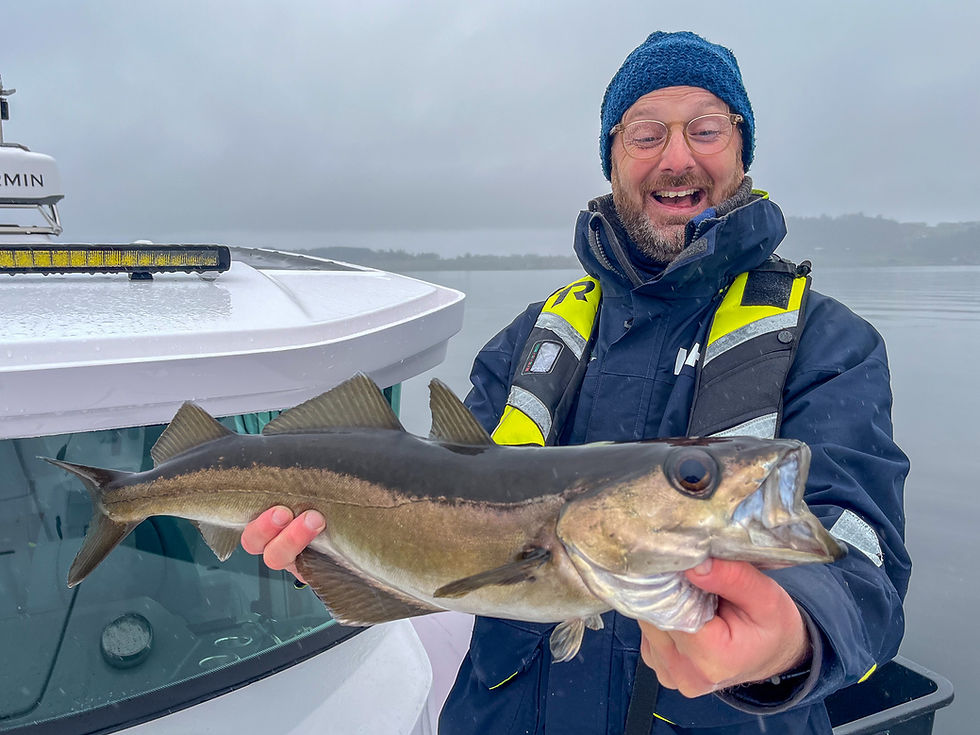
In this guide, I'll explain what fjord fishing around Stavanger involves, which species we may encounter, how seasons and conditions influence the fishing, and how to choose the right private experience for your visit.
Looking for the full Stavanger fishing overview?
If you want a broader understanding of fishing in Stavanger — including different types of fishing experiences, seasons and how to choose the right option — you can start here:
If you are ready to explore available trips, you can also browse my private fishing tours here:
Contents
What Is Fjord Fishing in Stavanger?
Fjord fishing in Stavanger takes place in sheltered coastal waters close to the city, islands and nearby fjords. These waters are shaped by glaciers, tides and coastline structure, creating a varied underwater landscape with shallow bays, rocky drop-offs, kelp forests and deeper channels.

Unlike an offshore charter, many fjord fishing trips stay closer to islands and sheltered coastline, reducing travel time and allowing us to try different grounds. However, wind, waves and currents can still affect conditions, and the route is always chosen with safety in mind.
This makes fjord fishing in Stavanger accessible to a wide range of people - from complete beginners to experienced anglers who enjoy a slower, more thoughtful approach.
The sheltered fjords and islands give us useful options when conditions change. I monitor the weather and choose suitable fishing areas, but no day at sea is completely predictable.
Fishing here is as much about understanding where the fish are as enjoying the view. On some longer tours, a short shore stop may be possible if timing, conditions and the agreed plan allow; it is not included as standard on every trip.
Why Fishing in Stavanger Is Different
Many travelers associate fishing with either deep-sea charters or crowded piers. Fjord fishing in Stavanger offers something very different.

The experience is defined by:
Sheltered waters rather than open sea
Flexibility rather than fixed schedules
Learning rather than performance
Presence rather than pressure
Instead of racing between predefined fishing spots, the day unfolds naturally. Time is spent adjusting techniques, reading conditions, and enjoying the surroundings.
Conversations happen easily. Questions are encouraged. Silence is welcome.
For visitors who want an outdoor experience that feels genuine and unrushed, fjord fishing in Stavanger offers a rare balance between activity and calm.
How a Fjord Fishing Day Is Planned
A fjord fishing day usually begins long before you step onto the boat.

Planning takes into account:
Weather forecasts and wind direction
Sea state and visibility
Seasonal fish behavior
Group experience and interests
How much time you want to fish versus cruise
Because the tour is private, this plan is never locked in. It evolves throughout the day. If conditions change, routes are adjusted. If the group prefers more fishing, time is shifted. If curiosity turns toward scenery or wildlife, the pace slows.
This flexibility is one of the key reasons travelers choose private fjord fishing in Stavanger.
For a step-by-step look at how a day typically unfolds, you can read more about what a private fjord fishing tour in Stavanger is really like.
What You Can Catch Fjord Fishing in Stavanger
Fjord fishing in Stavanger offers a varied mix of coastal species shaped by habitat, season and depth rather than large migratory runs.

The sheltered fjords surrounding Stavanger include rocky shorelines, sandy basins and gradual drop-offs. This diversity of underwater terrain supports a balanced range of fish species throughout much of the year.
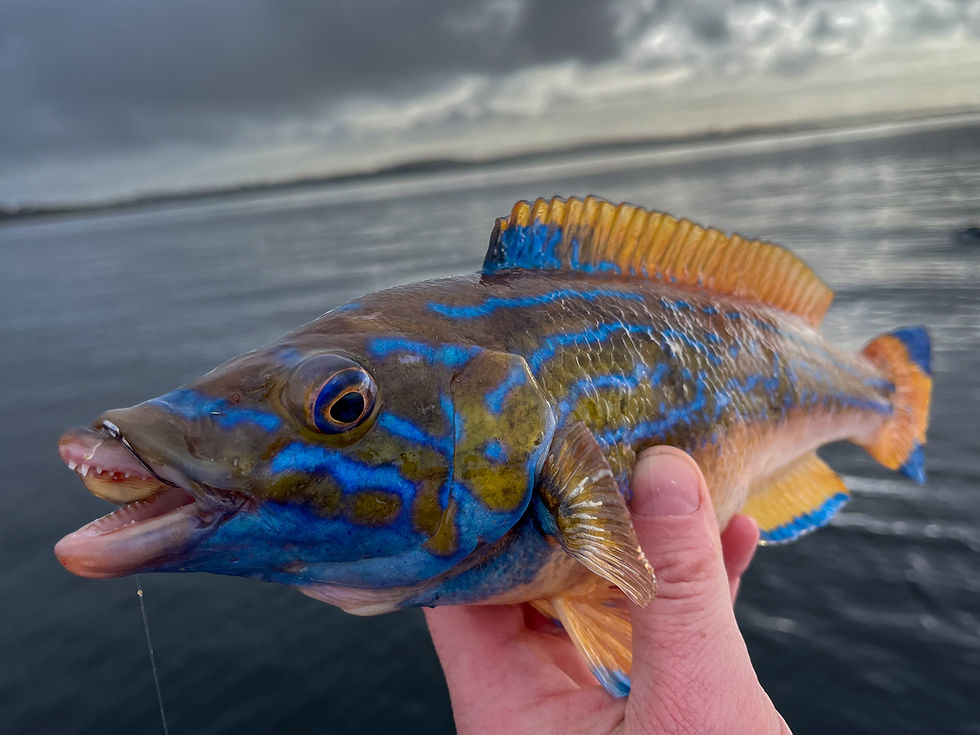
Common species encountered in Stavanger fjords include cod, pollack, saithe, mackerel (in season), flatfish such as flounder, and various wrasse species along rocky structure. Occasional catches may also include haddock, whiting or ling depending on depth and conditions.
Unlike offshore fishing in northern Norway, fjord fishing in Stavanger is less about targeting a single trophy species and more about understanding why fish position themselves where they do. Guests learn how seabed type, tidal movement and seasonal shifts influence activity levels and behaviour.
The emphasis is not on volume, but on awareness - reading the fjord, adjusting to habitat and appreciating the coastal ecosystem as a whole.
For a detailed breakdown of species, habitat preferences and seasonal variation, see:
Choose Your Private Fishing Experience in Stavanger
Not all fishing trips are the same. Some guests want a flexible day fishing local grounds; others prefer the challenge of deeper water, the scenery of Lysefjord or a shorter evening experience. Here are the main options.
Private Fishing Tour – Up to 7 Hours
My core private boat-fishing experience can last up to around seven hours. We explore suitable fishing grounds, adapt our techniques and focus on species active in local waters. The length and plan are agreed for your group, with equipment and safety gear provided.
Interested in deep-water fishing? This can be discussed as a possible adaptation of a regular Private Fishing Tour, rather than booked as a separate product. Depending on the weather, available time and your group's experience, we may use heavier tackle and natural bait to target species such as ling and tusk in deeper water. Please mention this when sending your enquiry so I can assess what is realistic.
Pulpit Rock & Lysefjord Fishing – Full Day
This private full-day experience combines fishing with the dramatic landscape of Lysefjord and views of Pulpit Rock from the water. Conditions determine how much fishing and fjord cruising we can include.
Evening Fishing by Boat – 3 to 4 Hours
Starting from 17:00 by arrangement, Evening Fishing focuses on local waters around Stavanger. Meet directly at the boat and enjoy several hours of fishing without committing to an entire day.
Shore Fishing Course – 4 Hours
This private course combines practical theory with hands-on shore fishing. Learn about equipment, rigs, underwater structure and promising locations. The course normally starts around 30 minutes from central Stavanger.
Every experience is private and tailored to the guests. Essential fishing and safety gear is included where relevant. Please check the individual tour page for meeting arrangements, inclusions and any meal plans.
Winter Fjord Fishing in Stavanger
Fjord fishing in Stavanger continues throughout the winter months, but the character of the experience changes noticeably. As water temperatures drop, fish move deeper and activity becomes more structure-oriented. Productive areas often shift toward drop-offs, basin edges and transitional slopes rather than shallow shoreline zones.

Winter fishing can involve anything from relatively shallow coastal areas to deeper slopes and basins. Depths of around 40–100 metres may be productive on some days, but there is no fixed winter depth: location, species, conditions and the available boat all matter.
For a detailed explanation of how winter conditions affect depth, technique and expectations, you can read: Is Fjord Fishing in Stavanger Good in Winter?
Deep vs Shallow Water - Why Depth Changes the Experience
Fjord fishing in Stavanger takes place across a varied underwater landscape where shallow bays gradually transition into deeper basins and structured drop-offs. While species often draw attention, depth plays a quiet but important role in shaping how the day unfolds.

Shallow water fishing tends to feel closer to the shoreline and more technical, with subtle drift adjustments and careful presentation along sandy flats and kelp edges. Deeper areas often require more deliberate positioning over structured terrain where current and contour influence activity. The difference is not simply about how far down you fish, but about how habitat shapes rhythm and technique.
If you would like a detailed breakdown of how deep water and shallow water fjord fishing in Stavanger differ in practice, you can explore this guide:
Is Fjord Fishing in Stavanger Suitable for Beginners?
Yes – and this is one of the strongest advantages of fjord fishing in Stavanger.
The local waters offer several fishing areas with shorter journeys than many offshore trips, although weather and motion still vary. The techniques and pace can be adapted to beginners without reducing the experience to a sightseeing cruise.
Because the tour is private and flexible, there is time to explain each step properly.

Nothing is rushed, and there are no expectations to perform or “get it right” immediately. This creates a relaxed learning environment where beginners can focus on understanding what they are doing rather than worrying about results.
Beginners typically benefit from:
Calm, sheltered waters with stable conditions
Clear, patient explanations adapted to experience level
Time to practice techniques at an unhurried pace
A focus on learning rather than performance
Many guests catch their very first fish on a private fjord fishing tour. Just as important, they gain an understanding of how depth, tides, seabed structure and simple techniques work together – knowledge that stays with them long after the trip.
If you are new to fishing, this article explains why fjord fishing in Stavanger is ideal for beginners.
New to fishing? Explore my private fishing tour for beginners.
Fjord Fishing for Families and Children
Fjord fishing in Stavanger is especially well suited for families and mixed-age groups.
Because the tour is private, the day can be shaped around children’s energy levels, attention span and natural curiosity. The pace is flexible, and fishing is often combined with other gentle activities that help keep the experience engaging and balanced.

A typical family-friendly fjord fishing day may include:
Calm cruising in sheltered waters
Wildlife spotting along the shoreline
Learning about marine life and the fjord environment
Short shore stops when conditions allow
On a longer private trip, a shore break may sometimes be possible if requested and if the weather, available time and landing conditions allow. It is not a guaranteed or standard part of every fishing tour.
Safety and comfort are handled continuously throughout the tour, with time to explain equipment and procedures calmly and clearly. This makes private fjord fishing a relaxed and inclusive experience where curiosity, shared moments and learning matter more than the size of the catch.
You can read more about why private fjord fishing works so well for families in this dedicated guide.
Planning a fishing day with children? See the private fishing tour for families.
Private Fjord Fishing vs Shared Boat Tours
At first glance, private and shared fishing tours may seem similar. In practice, the experience on the water is very different.
A private fjord fishing tour in Stavanger is built around one group only. This allows the day to unfold naturally, with time to talk, learn, adjust and enjoy the fjord at a calm pace.
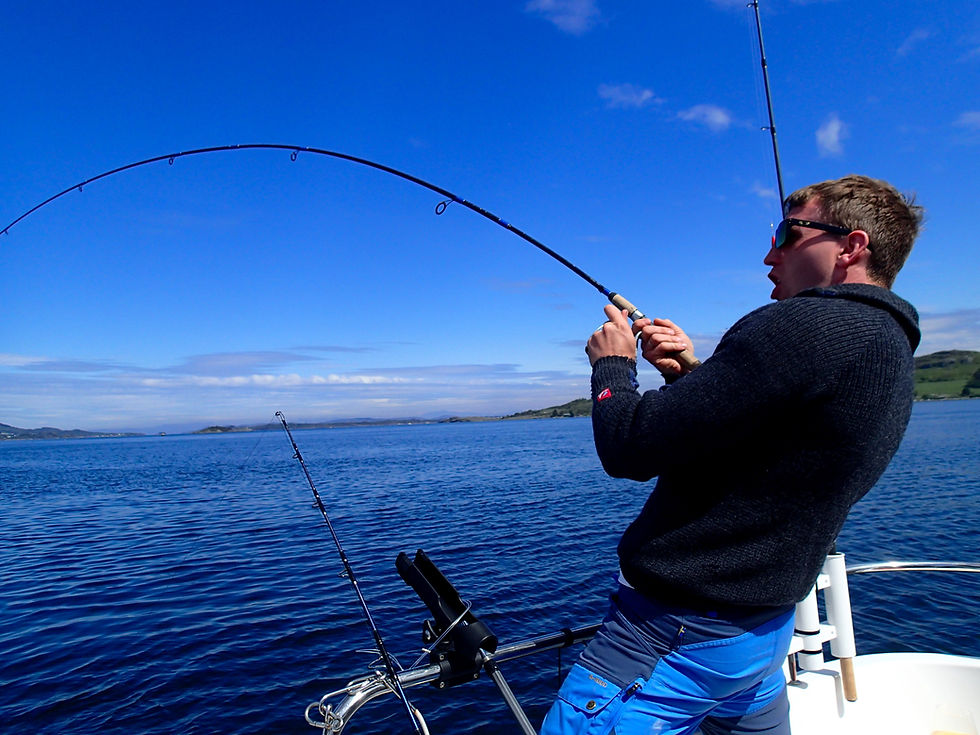
On a private tour, you typically experience:
One group per boat, without strangers
Flexible timing and routing based on conditions and preferences
Continuous guidance, explanations and conversation
Small adjustments throughout the tour as the day unfolds
A quieter, more personal atmosphere on board
Shared boat tours, on the other hand, usually follow a fixed schedule designed for efficiency rather than flexibility. With multiple guests on board, the pace is set in advance and individual adjustments are limited. Much of this difference comes down to the guide behind the experience - not just whether the tour is private or shared.
For a clear comparison, this article explains the difference between private and shared fjord fishing tours.
Choosing the Right Fishing Guide in Southern Norway
While boats, equipment and scenery all play a role, the fishing guide is often the single most important factor in how a fjord fishing experience actually feels.

An experienced local fishing guide does more than take guests to a fishing spot. Good guiding involves reading conditions, explaining tackle and techniques, adjusting locations and helping guests fish safely and confidently.
This is especially important for beginners, families and visitors unfamiliar with Norwegian waters. Clear communication before the tour, realistic expectations, and a flexible, unhurried approach on the water often matter more than promises of big catches or fixed programs.
For a deeper look at what to consider when choosing a fishing guide in Southern Norway - including certification, private versus shared tours, and learning-focused guiding - you can read this dedicated guide: How to Choose the Right Fishing Guide in Southern Norway.
Lysefjord Fishing and Special Focus Areas
Some fjord fishing experiences in Stavanger focus on specific landscapes, techniques or learning goals. These tours offer a deeper look into how fjord fishing changes depending on environment, depth and shoreline structure.

Lysefjord fishing takes place beneath some of Norway’s most dramatic scenery, with steep cliffs rising directly from deep, sheltered water near Preikestolen. Fishing here is combined with calm cruising through narrow fjord sections, carefully selected fishing spots and time to simply absorb the surroundings. The contrast between vertical rock faces above and deep water below often becomes just as memorable as the fishing itself.
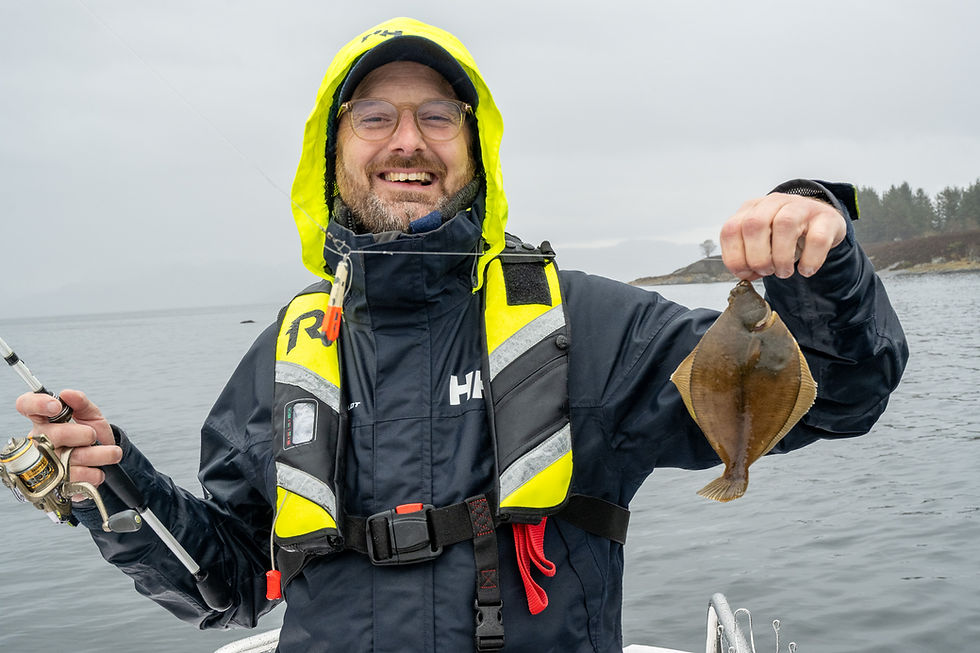
Other specialized experiences focus less on scenery and more on technique. Flounder fishing, for example, is a slower and more methodical form of fjord fishing. It rewards patience, observation and understanding of shallow bays, sandy bottoms and tidal movement. For many guests, this style of fishing becomes an introduction to how reading the fjord is as important as the gear being used.
These special focus experiences show the range of fjord fishing in Stavanger, from dramatic deep-water environments to quiet, technical fishing close to shore. Each offers a different pace, atmosphere and learning opportunity.
You can explore these approaches in more detail here:
Want to combine fishing with the famous fjord landscape? Explore private Pulpit Rock and Lysefjord fishing.
How Weather, Wind and Tides Influence Fjord Fishing in Stavanger
While season plays an important role in fjord fishing, day-to-day conditions often matter even more.
Weather, wind direction and tidal movement shape every fishing day. Sheltered coastal waters can offer useful alternatives to open sea, but conditions may still make some routes uncomfortable or unsafe. Wind affects boat positioning, current influences bait presentation, and both can change where the fish are active.

Wind primarily affects boat positioning and presentation. Tidal current influences underwater movement and concentration of marine life. Weather shapes not only fishing patterns, but also the overall atmosphere on the fjord.
On private fjord fishing tours in Stavanger, flexibility allows the route and approach to adjust naturally to these changing conditions. Rather than following a rigid plan, the experience adapts to the living coastal environment.
If you would like a deeper understanding of how these elements interact - including practical examples of wind direction, slack tide and sheltered fjord geography - you can read the dedicated guide: How Weather, Wind and Tides Affect Fjord Fishing in Stavanger
Understanding these factors does not make fjord fishing more complicated. It simply adds depth to an experience that is already calm, personal and authentic.
How Fish Are Located in the Stavanger Fjords
Finding fish in the Stavanger fjords is rarely about simply dropping a line into open water and waiting. Fish tend to gather around specific underwater structures where favourable conditions come together. Features such as underwater slopes, basin edges, ridges and sudden depth transitions often concentrate baitfish and create natural feeding zones for larger predators like cod, pollock and saithe.
Understanding how these structures interact with tidal movement, current direction and seasonal changes is one of the most important skills in fjord fishing. Modern sonar and detailed charts make it possible to visualise the terrain beneath the boat, but interpreting what those signals actually mean still requires experience and careful observation. Small adjustments in boat position or drift direction can sometimes make the difference between quiet water and consistent bites.
If you’re curious about how anglers actually read the fjord landscape and locate productive areas, you can explore this topic in more detail in my guide:
Safety, Comfort and Decision-Making on the Water
Safety during fjord fishing in Stavanger is not handled as a fixed set of rules, but as a continuous process throughout the day. Conditions on the water can change gradually, and decisions are made step by step based on weather, wind direction, sea state, visibility, and boat traffic.

Because the tour is private, all decisions are made for one group only. There is no pressure to follow a fixed route, keep a tight schedule, or adapt to the needs of other guests. This flexibility allows the day to unfold calmly, with adjustments made whenever needed to maintain both safety and comfort.
Comfort is an essential part of safety. A relaxed pace, sheltered waters, and clear communication help everyone on board feel secure and at ease. Time is taken to explain procedures, equipment, and next steps calmly, especially for guests who are new to boating or fishing.
If conditions change, the plan changes. Fishing spots can be adjusted, cruising speed reduced, or time spent drifting and observing rather than actively fishing. These decisions are made continuously and quietly, without disrupting the experience or creating unnecessary tension.
For many guests, this approach is what makes private fjord fishing feel safe rather than stressful. Knowing that there is time, flexibility, and full attention from the guide allows people to relax, focus on the surroundings, and enjoy the day at their own pace.
If you would like a more detailed look at what makes fjord fishing feel safe in practice — including sheltered waters, equipment, weather-related decisions, and why private tours often feel more controlled — you can read my guide on How Safe Is Fjord Fishing in Norway?
Who Fjord Fishing in Stavanger Is NOT For - And Who It’s Perfect For
Fjord fishing in Stavanger offers a very specific kind of fishing experience. It is calm, flexible and learning-focused - which makes it deeply rewarding for some travelers, and less suitable for others.
Understanding who fjord fishing is - and is not - for helps set realistic expectations and leads to far better experiences on the water.
Fjord fishing in Stavanger is generally not the right fit for travelers who:
Primarily seek fast-paced fishing, high catch volume or guaranteed results
Want to target one specific species regardless of conditions
Prefer offshore fishing, rough seas or high-adrenaline action
Expect a fixed program with predetermined stops and outcomes
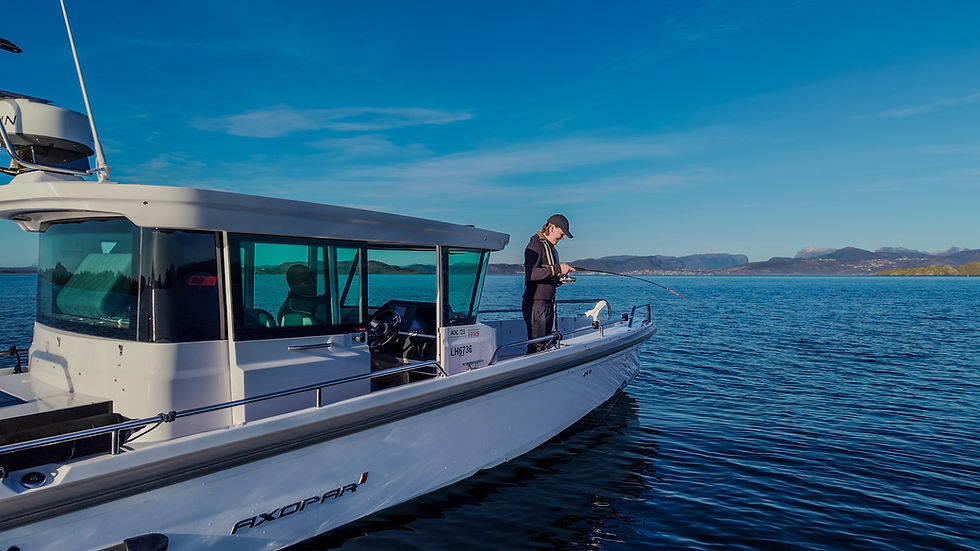
Fjord fishing is often a perfect match for guests who:
Value calm pacing, learning and being present in nature
Enjoy understanding how depth, seabed structure, tides and weather shape the day
Prefer private experiences over shared group tours
Travel as beginners, families or mixed-experience groups
Want flexibility - including time to fish, cruise, observe wildlife or take short shore breaks when conditions allow
For these guests, fjord fishing often becomes one of the most memorable parts of the visit - not because of trophies or numbers, but because of how the day feels on the water.
To explore this in more depth - including detailed examples and how different expectations shape the experience - you can read this dedicated guide:
Choosing the Right Fjord Fishing Experience in Stavanger
Not all fjord fishing experiences are the same. While many tours may look similar on the surface, the way a day unfolds on the water can feel very different depending on how the experience is designed and who is guiding it.
A calm, rewarding fjord fishing day usually depends on a few key factors.
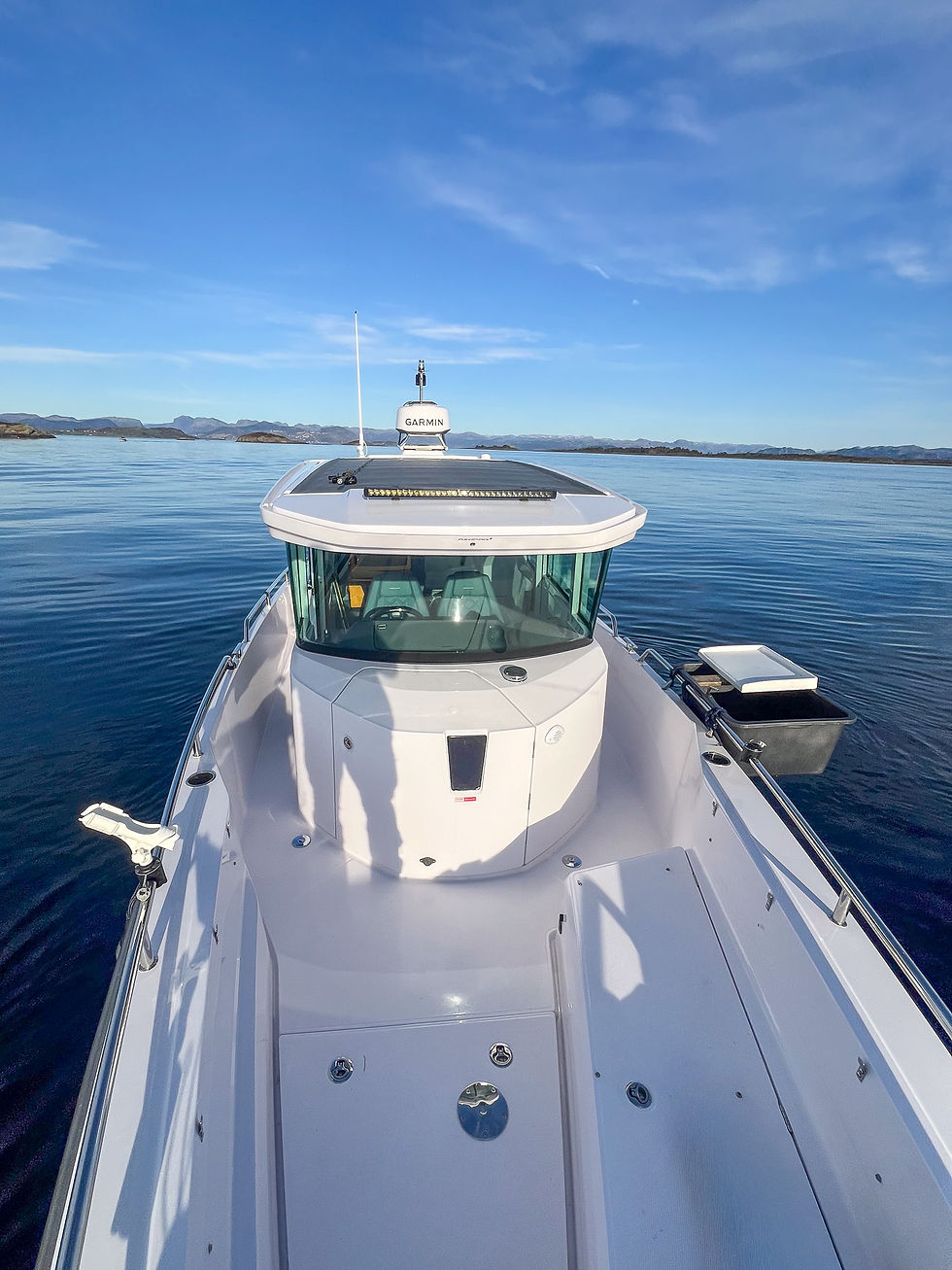
First, flexibility matters more than fixed programs. Fjord conditions change throughout the day, and the best experiences allow time to adapt - whether that means adjusting fishing spots, slowing the pace, or shifting focus between fishing, learning and exploration.
Second, the guide plays a central role. A guide who genuinely enjoys being on the water, sharing knowledge and answering questions creates a very different atmosphere than someone working through a strict schedule. Curiosity, patience and local understanding often matter more than efficiency or volume.
Understanding how different guides structure their tours can help visitors choose an experience that truly matches their expectations.
For some visitors, part of that decision also comes down to value. If you are wondering why a private fjord fishing experience costs more than shared or larger group-based options, you can read my guide on why private fjord fishing in Stavanger costs more — and what you actually get, where we explain how flexibility, personal guidance, preparation, equipment and overall structure shape the experience.

For visitors who are also comparing Stavanger with other fishing regions in western Norway, it can be helpful to understand how conditions and overall experience differ from place to place. If that is part of your decision, you can read our comparison of fishing in Stavanger vs Bergen and see how sheltered fjord structure, weather exposure, accessibility and overall pace influence the experience.
Finally, time is essential. Fjord fishing works best when there is room for pauses, conversation and small adjustments as the day unfolds. This is especially important for beginners, families and guests who value understanding the environment as much as catching fish.
Stavanger Adventure is built around these principles. Each tour is private, allowing full attention to one group and the freedom to shape the day based on conditions, interests and comfort level. The focus is not on rushing between spots, but on creating a calm and personal experience where guests feel welcome, safe and involved.
Stavanger Adventure offers clearly defined private fishing experiences, but the fishing itself is never a rigid programme. I adapt locations, techniques and the balance between fishing and exploring to the conditions and to the guests on board.
Frequently Asked Questions About Fjord Fishing in Stavanger
Do I need prior fishing experience?
No. Beginners are welcome. I explain equipment, techniques and fish handling step by step, while experienced anglers can focus on different techniques and fishing grounds.
Can families and children join?
Yes. Private boat tours can be adapted to families and children comfortable on boats and able to follow safety instructions. Please share younger guests' ages in advance.
Is fjord fishing safe for beginners?
I check the weather and sea conditions, choose appropriate fishing areas and provide safety equipment and guidance. Sheltered waters help, but conditions change and the trip may need to be adjusted or cancelled.
How long does a private fishing experience last?
The main Private Fishing Tour can last up to around seven hours, with the length agreed for your group. Deep-water fishing is not a separate product, but may be possible as a tailored part of the regular tour if requested in advance and conditions allow. Evening Fishing lasts approximately three to four hours, Pulpit Rock Fishing is a full-day trip, and the Shore Fishing Course takes four hours.
Which fish can we catch?
Depending on the season and fishing area, possible species include pollack (lyr), saithe (sei), cod, mackerel, wrasse, flatfish, haddock and whiting. If deep-water fishing is suitable and agreed as part of a regular Private Fishing Tour, species such as ling and tusk may be targeted. No specific catch can be guaranteed.
What if the fish are not biting?
I may change location, depth, bait or technique, depending on conditions and the time available. Fish activity varies, so catches can never be guaranteed. Learning and exploring are part of the experience.
Can we go ashore during the trip?
Sometimes on longer trips, when weather, time and landing conditions allow. A shore stop is not a standard or guaranteed part of every fishing tour.
What if I get seasick?
Many areas around Stavanger are relatively sheltered, and the boat has an enclosed cabin. However, waves and motion still occur. Let me know in advance if you are sensitive to motion so we can discuss suitable options.
How is a private tour different from a shared fishing tour?
The boat and guide are reserved for your group, so the pace, fishing areas and instruction can be adapted. Shared tours usually have a fixed programme and mixed groups.
When is the best time to fish around Stavanger?
Fishing is possible through much of the year, but species, conditions and techniques change by season. Summer offers longer daylight; winter needs greater flexibility around weather and suitable fishing areas.
Is fishing equipment included?
Yes. Private boat-fishing trips include fishing gear, safety equipment, appropriate flotation gear, warm drinks and photos. The shore course also includes the equipment needed for the lesson.
Is food included?
It depends on the specific tour. Guests may bring their own food. Some longer experiences can include a simple meal or preparation of suitable fish, according to the tour and conditions. Check the product details or ask when enquiring.
Can we keep fish we catch?
I focus on responsible fishing and careful handling, often releasing fish. Keeping or preparing fish depends on the species, current regulations and circumstances. Taking fish home is not automatically part of a tour.
Do we need a fishing licence?
A fishing licence is normally not required for recreational sea fishing with handheld tackle in Norway. Protected species, minimum sizes and local restrictions still apply.
How do I book a fishing tour in Stavanger?
Choose your preferred experience and use the enquiry form on its tour page. Share your preferred date, group size and special interests. I'll personally reply. There is no obligation to book, and payment is normally made on the day.
Finding the Right Fjord Fishing Experience in Stavanger
Ready to experience fjord fishing in Stavanger? Whether you're hoping to catch your first fish, try deeper-water techniques or combine fishing with extraordinary scenery, I can help you choose the right private experience.

Explore the private fishing experiences on the Stavanger Adventure website, then open the tour page that interests you. Each tour has its own enquiry form, so you can send your preferred date, group size and any special fishing interests.
I'll personally reply with availability, practical details and a clear plan. Your enquiry is not a booking commitment, and payment is normally made on the day of the trip.
Every fishing trip is guided personally and adjusted to the weather, available time and the people on board. The goal is a rewarding day of real fishing, with no guarantees about what nature will provide.
Ready to plan your trip? Explore all private fishing experiences and send an enquiry.
No obligation to book · Personal reply · Payment on the day

Comments