Best Time for Fjord Fishing in Stavanger (Month by Month Guide)

Updated: May 4
When is the best time for fjord fishing in Stavanger? The short answer: almost all year — but the experience changes more than people expect.

The honest answer is that fjord fishing is possible all year - but the experience changes significantly depending on season, weather, daylight, and what you personally value most.
Unlike offshore fishing, fjord fishing takes place in sheltered waters where conditions are often more stable and predictable. As explained in The Ultimate Guide to Fjord Fishing in Stavanger, fish remain present throughout the year, shifting depth and behavior rather than leaving the area entirely.
This guide looks more closely at how seasons and weather actually affect fjord fishing in the Stavanger region, what changes month by month, and how to choose the right timing for your expectations - whether you’re traveling with family, fishing for the first time, or simply looking for a calm and authentic experience on the fjord.
Fjord Fishing Is Different From Offshore Fishing
One reason people are often unsure about timing is that fjord fishing is frequently compared to offshore fishing - where seasons, narrow weather windows, and long-distance fish migrations play a much larger role.

Fjord fishing works differently.
The fjords around Stavanger are sheltered, deep, and relatively stable environments. Most common fjord species remain present throughout the year, adjusting depth and behavior rather than leaving the area entirely. This makes fishing possible in all seasons.
That said, some species do have more defined seasonal patterns. Mackerel, for example, typically appear in larger numbers during late summer, often from July and August onwards.
Understanding these nuances helps set realistic expectations. Because of this, the main seasonal differences in fjord fishing are usually not about whether fishing works, but about how the day feels. Comfort, daylight, atmosphere, and learning opportunities often matter more than the calendar itself.
Month-by-Month: What Actually Changes During the Year
Instead of broad seasons alone, it’s helpful to understand how conditions evolve gradually through the year.
March–April: Quiet Waters and Deeper Fishing
During March and April, the fjord begins to shift out of winter mode. Water temperatures are still relatively low, but fish start to become more active and move back toward more typical depth ranges rather than staying exclusively deep.

Fishing during this period is often more measured and controlled, with an emphasis on positioning, depth awareness, and adapting techniques as activity gradually increases. While surface action is still limited, steady fishing is common when approaches are adjusted to the conditions.
The reward is calm waters, very little boat traffic, and a quiet atmosphere that allows time for explanation, learning, and a relaxed pace on the fjord.
For guests who enjoy a calm experience, hands-on guidance, and seeing the fjord slowly come back to life after winter, early spring can be a very rewarding time to fish.
May–June: Increasing Activity and Better Light
As water temperatures rise in late spring and early summer, fishing conditions often change noticeably in the fjords around Stavanger.

From May and into June, pollock (lyr) in particular becomes very active. Fish move higher in the water column, respond faster to lures, and are often found along structure and depth transitions where they actively hunt. This typically results in more frequent bites, quicker reactions, and a more dynamic style of fishing.
These months often mark the beginning of the most consistently engaging part of the fjord fishing season. Conditions are stable, daylight hours are long, and fishing becomes both accessible and exciting without requiring heavy clothing or technical adjustments.
For many guests, May and June offer an ideal balance between action, comfort, and learning. This makes the period especially well suited for beginners, families, and returning anglers alike - and sets the tone for the most popular fishing months from late spring through early autumn.
July–August: Comfort, Light, and Easy Enjoyment
Mid-summer offers the most comfortable and accessible fjord fishing conditions of the year.
July and August bring long, bright days, mild air temperatures, and stable conditions on the water. Time on deck is easy and relaxed, often without the need for heavy clothing, allowing guests to focus fully on the experience rather than the elements.

Fishing during this period is generally consistent, with active fish spread across familiar structures and depth ranges. While the focus is not necessarily on peak catch numbers, the combination of steady fishing, excellent visibility, and extended daylight creates a relaxed and rewarding rhythm on the fjord.
These months are particularly well suited for families, first-time anglers, and guests who value scenery, conversation, and learning alongside fishing. For many visitors, July and August represent the heart of the fjord fishing season - where comfort, light, and experience come together naturally.
September–October: Fewer People and Strong Atmosphere
Early autumn marks a calm and often very rewarding phase of the fjord fishing season.
September, in particular, is an excellent time to fish in the fjords around Stavanger. Water temperatures are still relatively mild after summer, fish remain active, and the pace on the fjord becomes noticeably calmer as the main summer travel period comes to an end. Fishing during this time often feels steady and unhurried, with good opportunities along familiar structures and depth transitions.

As October progresses, conditions begin to shift more clearly toward autumn. Water temperatures gradually drop, daylight shortens, and fish activity can become less predictable compared to the late summer and early autumn period. Fishing remains possible, but the experience typically becomes more weather-dependent and less consistent than in September.
For guests considering this part of the season, early autumn - especially September - often offers the best balance between calm conditions, active fishing, and a relaxed atmosphere on the fjord.
November–February: Stillness, Depth, and Focus
Late autumn and winter mark the least consistent period for fjord fishing in the Stavanger region.
During November through February, shorter daylight hours, colder water temperatures, and more variable weather conditions make fishing less predictable compared to the main season. While fish are still present in the fjords, activity levels tend to be lower, and the overall experience becomes more dependent on specific conditions and timing.
For guests whose primary goal is fishing, this period is generally better suited to northern Norway, where winter fisheries follow different patterns and offer more reliable opportunities during the colder months.
Around Stavanger, these months are better viewed as an off-season for fjord fishing. Most guests who travel during winter choose the region for scenery and quiet coastal experiences rather than fishing-focused trips.
Quick Summary:
April–June: Increasing activity and great learning conditions
July–August: Most comfortable and accessible
September: Often the best balance overall
Winter: Possible, but less consistent
How Weather Really Affects Fjord Fishing
Weather matters - but often in a more nuanced way than many people expect.
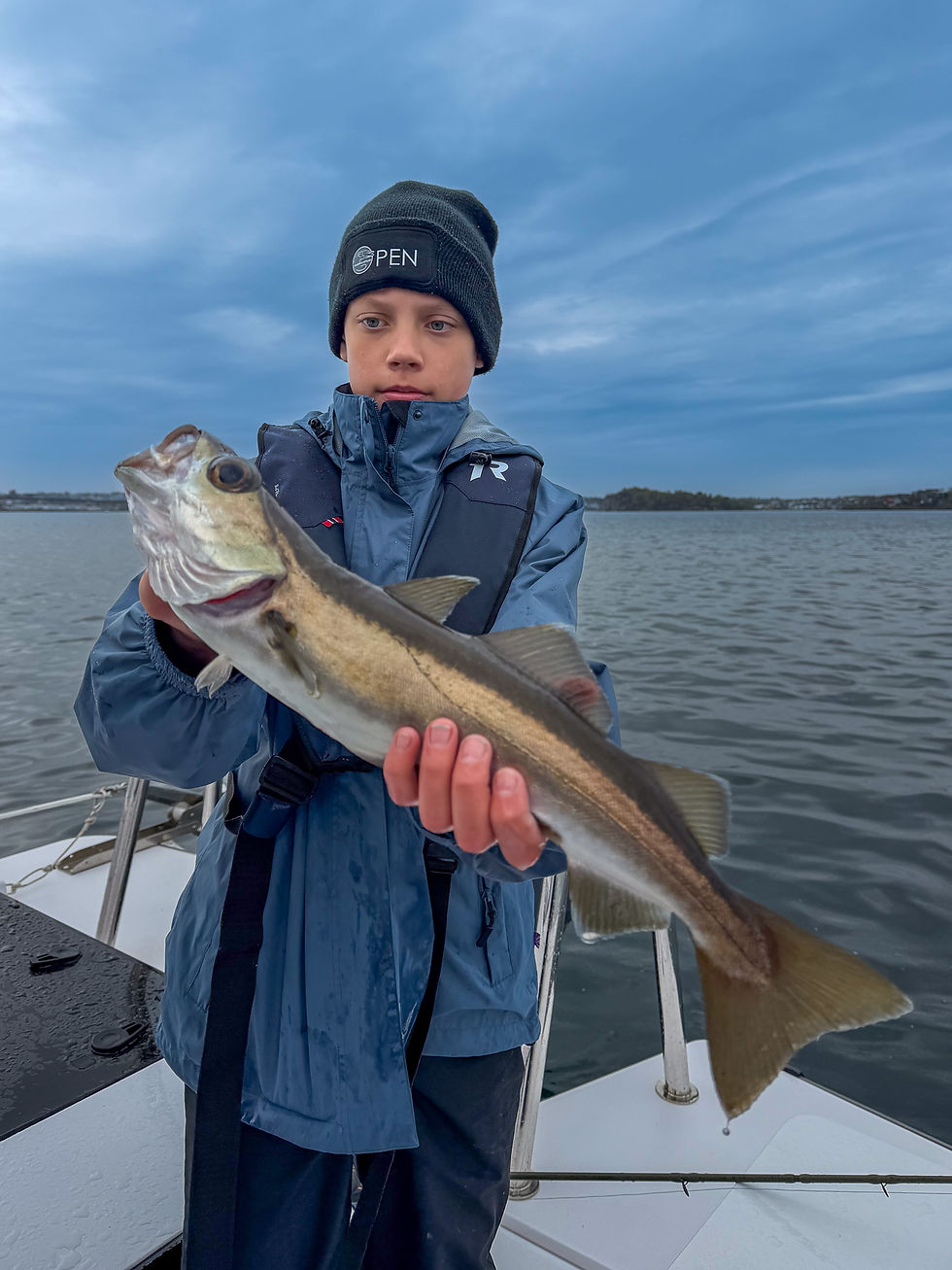
The fjords around Stavanger are naturally sheltered by islands, headlands, and surrounding terrain. While there are days when wind and conditions make fishing impractical, moderate wind rarely creates large waves inside the fjords. In many cases, it’s possible to find calm water by adjusting the route and fishing in the lee of islands and shoreline.
Light rain typically has little impact on fishing success, and overcast conditions are often well suited for steady fishing. Weather tends to affect comfort and visibility more than fish behavior - especially during the main season.
From a guide’s perspective, flexibility matters more than forecasts. On a private fjord fishing tour, location, fishing depth, and pace are continuously adapted to the conditions of the day. The focus is always on finding calm, fishable water rather than pushing into exposed areas.
Naturally, fine weather adds to the overall experience - particularly on days when we go ashore for a short break. That said, fjord fishing often works well even when offshore conditions would be unsuitable, thanks to the protected nature of the landscape.
Common Misconceptions About the “Best Fishing Season”
There are several common assumptions about fjord fishing that are worth clarifying.
“Summer is always the best fishing season” Summer offers the highest level of comfort and the longest days, but it is not automatically the most productive period. Fish activity often increases earlier in the season, and late spring and early autumn can be just as rewarding.
“Fishing only works when the weather is perfect” In sheltered fjords, light rain or overcast skies often have little impact on fishing success. Conditions tend to affect comfort and visibility more than fish behavior.
“You need peak summer to enjoy fjord fishing” Many guests find that late spring and early autumn offer a better balance between calm conditions, active fishing, and fewer people on the water.
“More people on the fjord means better fishing” In reality, quieter periods often allow for a more relaxed pace, better positioning, and a more personal experience overall.
“There is one single ‘best’ month” Fjord fishing does not revolve around a narrow window. From spring through early autumn, conditions shift gradually rather than suddenly, making several months equally well suited depending on what you value most.
Understanding these points helps set realistic expectations - and leads to calmer, more enjoyable fjord fishing experiences.
Choosing the Best Time Based on What You Care About
Rather than looking for a single “best” season for fjord fishing in Stavanger, it’s often more helpful to think about what you value most during your time on the fjord.

In the areas where we fish, space on the water is never a limiting factor. The fjords around Stavanger are wide, varied, and naturally structured, with plenty of room to move throughout the fishing season. Fjord fishing takes place away from busy routes and commercial traffic, and there is no competition for fishing spots or pressure from other boats. This ensures a calm, unhurried fishing experience regardless of when you visit.
Because of this, choosing the right time for a fjord fishing tour is less about avoiding crowds and more about selecting the conditions and atmosphere that suit you best. Some guests prefer the long, bright days of summer, when time on deck feels effortless and extended daylight allows for relaxed fishing and exploration. Others enjoy late spring or early autumn, when the light softens, temperatures are slightly cooler, and the overall pace on the fjord feels quieter - without affecting space or comfort.
From spring through early autumn, fjord fishing conditions around Stavanger change gradually rather than abruptly. This makes it possible to plan a rewarding and well-paced fjord fishing experience across several months, with each period offering its own balance of activity, comfort, and atmosphere.
There is no single right time - only different ways to experience fjord fishing in Stavanger, always with space, calm waters, and time to enjoy the surroundings.
Planning Your Trip With Confidence
If you’re planning a visit to Stavanger and wondering how fjord fishing fits into your schedule, it’s often best to start with your travel dates and interests rather than trying to time a single “perfect” season.
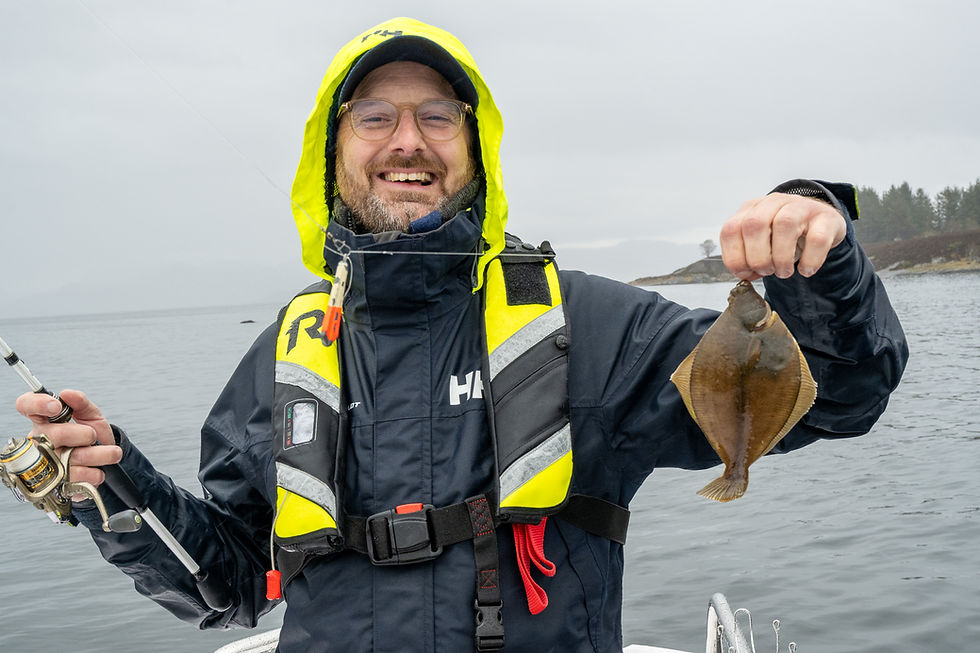
Fjord fishing around Stavanger offers consistent opportunities from spring through early autumn, and understanding what to expect during different periods can help you plan a calm and rewarding experience.
You may also find these guides helpful when planning your trip:
Each article focuses on a different aspect of the experience - from species and seasons to skill level and overall structure - and together they provide a complete and realistic picture of what fjord fishing in Stavanger is really like.
Frequently Asked Questions About Fjord Fishing Seasons in Stavanger
When is the best time and seasons for fjord fishing around Stavanger?
There is no single “best” month, but the main fjord fishing season around Stavanger runs from spring through early autumn. Conditions gradually improve from April, peak through summer, and remain very good into September. The ideal timing depends more on what kind of experience you’re looking for than on a specific date.
Can I go fjord fishing outside the summer months?
Yes. Fjord fishing is well suited to late spring and early autumn as well as summer. Many guests enjoy these periods for their calm atmosphere, comfortable conditions, and steady fishing without the peak summer feel.
Does weather affect fjord fishing a lot?
Weather plays a role, but less than many people expect. Because fishing takes place in sheltered fjords, light rain and moderate wind rarely prevent fishing. Routes and locations are adjusted to find calm, fishable water when conditions change.
Is fjord fishing very seasonal in terms of fish availability?
Most common fjord species are present throughout the main season, with activity levels changing gradually rather than abruptly. Some species, such as mackerel, are more seasonal, while others are available over longer periods. This makes fjord fishing more about timing and approach than narrow seasonal windows.
Do I need to choose a specific month to have a good experience?
No. From spring through early autumn, fjord fishing conditions around Stavanger remain suitable across several months. Rather than aiming for a specific month, it’s usually better to plan around your travel dates and expectations.
Is fjord fishing suitable for first-time anglers?
Yes. Fjord fishing is well suited for beginners, especially during the main season. Calm waters, flexible pacing, and continuous guidance make it accessible even if you have no previous fishing experience.
Is fjord fishing better in the morning or later in the day?
It can be good at different times, and it often depends more on conditions than on the clock. In sheltered fjords, tide, light levels, and wind direction can matter more than a fixed “best time.” On a private tour, timing and locations can be adjusted to what works best that day.
How do tides affect fjord fishing around Stavanger?
Tides can influence fish activity and where fish hold, especially around current lines, structure, and depth transitions. The effect varies by location and species, but it’s one of the reasons flexibility and local positioning matter more than choosing a specific month.
What should I pack for a fjord fishing tour in different seasons?
Layering is key. Even in summer, the fjord can feel cooler on the water than in the city. A windproof outer layer is useful year-round, and in spring and early autumn warm mid-layers make the day more comfortable. Comfortable footwear and sunglasses on bright days are also recommended.
Will we still go if the forecast shows rain or wind?
Often, yes. Light rain rarely affects fishing in sheltered fjords, and moderate wind can usually be managed by choosing locations with natural shelter behind islands and headlands. If conditions are genuinely unsafe or unfishable, the plan is adjusted accordingly.
Is September still a good month for fjord fishing in Stavanger?
Yes. September is often one of the best months in the main season, with mild water temperatures after summer, active fish, and a calm atmosphere on the fjord. As autumn progresses further, conditions can become less consistent, which is why early autumn tends to be the best part of that period.
The Right Day Matters More Than the Right Month
In the end, the quality of a fjord fishing experience around Stavanger depends less on the calendar and more on daily conditions, expectations, and how the tour is adapted to the people on board.

A well-planned private fjord fishing tour focuses on calmness, learning, and flexibility -creating a rewarding experience throughout the main season.
If you’d like to explore what a private fjord fishing experience with Stavanger Adventure looks like in practice, you can find an overview of our fjord fishing tours in Stavanger here.
And if you’d like advice on the best time for fjord fishing in Stavanger, you’re very welcome to get in touch. I’m always happy to help you plan a fjord fishing experience that matches your schedule, comfort level, and interests.
Calm. Personal. Real.


Comments