Fishing in Stavanger vs Bergen – Which Is Better?

Updated: Apr 23
Norway is one of the world’s most sought-after destinations for saltwater fishing, and the western coastline offers some of the most dramatic fjord landscapes anywhere.

If you're trying to choose between fjord fishing in Stavanger or Bergen, the difference is not just location - it's how the entire experience feels on the water.
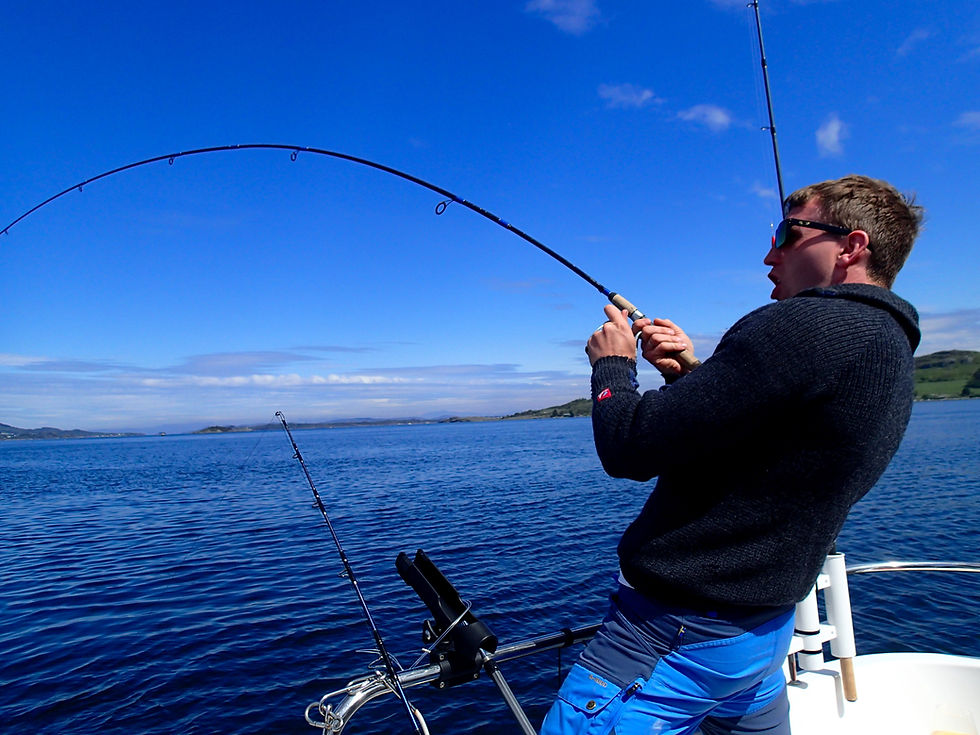
Stavanger typically offers calm, sheltered conditions and a more structured, learning-focused experience, while Bergen often involves more exposure to weather and changing sea conditions.
At first glance, they may seem similar. Both offer deep fjords, rich marine life and spectacular coastal scenery. However, once you step onto the water, the experience can feel very different.
If you’re comparing fishing in Stavanger vs Bergen, this guide explains the key differences - helping you choose the destination that best matches your expectations, comfort level and the type of experience you're looking for.
If you're new to fjord fishing, you may find our ultimate guide to fjord fishing in Stavanger helpful, where you can learn how fjord structure, depth and seasonal conditions influence both fish behavior and the overall experience.
Fishing Stavanger vs Bergen – Fjord Landscape Differences
The fjords around Stavanger and Bergen are both shaped by powerful glacial forces, but the way these landscapes were carved has created two distinctly different fishing environments along Norway’s west coast.
Around Stavanger, fjords such as Lysefjord are typically narrow, steep-sided and deeply incised into the landscape. The surrounding islands and coastline also form a network of sheltered waters, reducing exposure to open ocean swell. This creates conditions that are often calm and predictable, even when the weather changes further offshore.
In addition to the visible landscape, this glacial formation has created a highly structured seabed. Steep underwater slopes, basin edges and depth transitions are common, providing ideal conditions for fish to gather along natural feeding zones.
The Bergen region, in contrast, is characterized by a more open and complex coastal system, with wider fjords, larger water bodies and more direct exposure to the North Sea.
While this creates impressive scenery, it also means that wind and swell can travel further into the fjord systems, leading to more variable conditions on the water.
These differences have a direct impact on how fjord fishing is experienced:
In Stavanger → fishing often takes place in sheltered waters with more stable conditions and easier access to structured terrain
In Bergen → fishing may involve more open water, greater variation in conditions and increased exposure to wind and swell
For many anglers, especially those looking for a calm and controlled experience, sheltered fjord systems can make it easier to focus on understanding depth, seabed structure and fish behavior rather than constantly adapting to changing sea conditions.
If you’d like a deeper understanding of how underwater terrain and depth influence fishing, you can also read our guide on deep vs shallow water fjord fishing in Stavanger.
Weather and Sea Conditions – Stability vs Exposure
Weather and sea conditions play a central role in any fjord fishing experience, influencing not only comfort but also how and where fishing can take place throughout the day.
In the Stavanger region, the combination of fjords, islands and protected coastal waters makes it easier to find sheltered areas even when conditions change. If wind increases or weather shifts, it is often possible to move deeper into the fjord system or reposition along the coastline, allowing fishing to continue in relatively calm water.
This flexibility creates a more stable and predictable experience, where time on the water can be used efficiently rather than being limited by changing conditions.
In contrast, the Bergen region is more exposed to the North Sea, with wider fjords and larger open water areas. This means that wind and swell can travel further into the fjord systems, leading to more variation in sea state throughout the day.
As a result, fishing trips can become more dependent on weather windows, comfort levels may vary more throughout the day, and the flexibility to relocate into sheltered areas can be more limited.
For anglers, this difference is important. Stable conditions make it easier to focus on reading depth, structure and fish behavior, while more exposed conditions can shift attention toward managing movement, drift and positioning.
If you’d like to understand this interaction in more detail, you can explore how weather, wind and tides influence fjord fishing in Stavanger.
Fishing Style – Calm Learning vs More Exposed Fishing
One of the most noticeable differences between Stavanger and Bergen is how the fishing itself is experienced on the water.
Fjord fishing in Stavanger is typically calm, structured and hands-on, with a strong focus on understanding how the fjord environment works within the wider context of fjord fishing in Norway. Rather than simply lowering a line and waiting, the experience is centered around learning and adapting to conditions throughout the day.
Fishing often takes place along underwater structures such as slopes, basin edges and depth transitions, where fish naturally gather. This allows guests to gradually build an understanding of how depth, seabed and current influence fish behavior.
If you’d like to explore this in more detail, you can read our guide on how fish are located in the Stavanger fjords.
A typical Stavanger fishing experience is therefore not only about catching fish, but about understanding how the fjord works in practice. Guests learn how to read depth, identify productive structure and adjust techniques based on conditions, while enjoying a calm and immersive day on the water.
In the Bergen region, fishing can in some cases be more exposed or offshore-oriented, depending on the provider and location. This can offer exciting opportunities, but the experience may also involve more movement and less predictability.
More exposed conditions often mean increased boat movement due to swell, less consistent positioning over structured terrain and a greater focus on managing drift and conditions rather than learning the underlying patterns of fjord fishing.
For many visitors, especially those new to fjord fishing, a calmer and more structured approach makes it easier to both enjoy the day and gain a better understanding of how fishing in Norwegian fjords actually works.
Species – Similar Fish, Different Conditions
Both Stavanger and Bergen offer access to many of the same saltwater species typical for fjord fishing along the west coast of Norway. Common species include Atlantic cod, pollock (lyr), saithe (coalfish) and seasonal visitors such as mackerel. In deeper areas, species like ling (lange) and tusk (brosme) may also appear, often holding along deeper slopes and basin edges.
While the species themselves are largely the same, the key difference lies in how and where they are encountered.
In the Stavanger region, fishing typically takes place in structured and sheltered fjord environments, where underwater terrain plays a central role. Fish tend to hold along predictable features such as slopes, ridges and basin edges, where currents concentrate baitfish and create natural feeding zones. This makes it easier to locate fish more consistently and to understand how depth, seabed and current influence their behavior.
In more open and exposed environments, such as parts of the Bergen region, fish may move across larger areas and be more influenced by changing sea conditions. This can make fishing feel less predictable and more dependent on drift, wind and positioning on the water.
For anglers, the difference is therefore rarely about what species are available, but rather how accessible and understandable the fishing becomes in practice.
If you’d like a more detailed overview of species, depth ranges and seasonal patterns, you can explore what fish can be caught in the Stavanger fjords, or read more about Lysefjord fishing below Preikestolen.
Accessibility – Time on the Water vs Time in Transit
For many travelers, especially cruise guests or those with limited time, logistics play an important role in the overall experience.
In Stavanger, fishing areas are typically located close to the city, allowing for quick access from the harbor and more time spent on the water. This makes it possible to begin fishing relatively soon after departure, rather than spending a significant part of the day in transit.
In contrast, the Bergen region is larger and more geographically spread out. Depending on the location of the tour, reaching productive fishing areas may require longer travel distances before fishing can begin.
While this difference may be less noticeable on longer trips, it can have a meaningful impact on shorter experiences. When time is limited, the balance between travel and actual fishing becomes an important part of the day.
For many visitors, especially those arriving by cruise ship, shorter distances and easier access can make the experience feel more efficient, relaxed and focused on what they came for - time on the water.
Experience Style – Private and Personal vs Larger Scale Options
Another important difference lies in how the overall fishing experience is structured and delivered.
In Stavanger, fjord fishing is often offered as a private and small-group experience, where the day can be shaped around the people on board. This creates a more flexible and personal atmosphere, where pace, location and focus can be adjusted naturally throughout the trip.
Instead of following a fixed route or schedule, the experience evolves with the conditions. If the weather changes, the route can be adapted. If fish are located in a particular area, more time can be spent there. If guests prefer a slower pace, the day can be structured around that. This flexibility allows the experience to feel less like a predefined tour and more like a day on the water guided by local knowledge.
A smaller group size also creates more opportunity for individual guidance. Techniques can be explained step by step, and guests have time to understand how depth, seabed and conditions influence fishing. For many visitors, especially those new to fjord fishing, this makes the experience both more comfortable and more rewarding.
This approach closely reflects how private fjord fishing tours in Stavanger are typically designed, with an emphasis on calm pacing, personal interaction and adapting the day to each group.
In the Bergen region, there is often a wider range of options, including larger group-based tours. These can provide access to a broader market and may suit travelers looking for a more structured outing.
However, a more standardized format often means that route, timing and pace are predefined in advance. The ability to adjust the experience during the day may therefore be more limited, and individual guidance can be less central when groups are larger.
For some, this is not a drawback. But for travelers looking for a more personal, flexible and immersive fjord experience, the difference in style can be significant.
A Unique Advantage – Fishing Below Pulpit Rock (Preikestolen)
One of the most unique aspects of fjord fishing in Stavanger is the ability to combine hands-on fishing with some of Norway’s most iconic fjord scenery, all within the same experience.
On a typical trip into Lysefjord, fishing takes place along the way - both on the journey into the fjord and on the return. Rather than focusing on a single location, the experience follows the natural structure of the fjord, stopping at promising areas where depth, seabed and conditions create good opportunities for fishing.
This approach allows the day to include both active fishing and scenic exploration.
As you travel through the fjord, you pass landmarks such as Pulpit Rock (Preikestolen), towering more than 600 meters above the water, as well as dramatic features like Fantagjuvet and waterfalls such as Hengjanefossen. Seeing these from the water offers a completely different perspective compared to visiting them on foot.
The result is a more complete fjord experience, where fishing becomes part of a larger journey through the landscape rather than a single fixed activity in one location.
If you’d like to explore how this works in practice, you can read more about the Lysefjord Fishing Tour – Private Fjord Fishing Below Preikestolen.
Which Destination Should You Choose?
Choosing between Stavanger and Bergen ultimately depends on what kind of fjord fishing experience you’re looking for.
While both regions offer access to Norway’s spectacular coastline and rich marine life, the overall experience on the water can feel quite different depending on conditions, landscape and how the fishing is structured.
Stavanger is often the preferred choice for those who value a calm, flexible and immersive experience, where the focus is not only on catching fish, but also on understanding the fjord environment and enjoying the surroundings at a natural pace. Sheltered waters make it easier to fish consistently, and the ability to adapt throughout the day creates a more relaxed and comfortable experience.
It is particularly well suited for travelers who want to combine fishing with iconic fjord scenery, such as Lysefjord and Pulpit Rock (Preikestolen), while still maintaining a personal and unhurried atmosphere on the water.
Bergen, on the other hand, may be a better fit for those who are specifically looking for a more exposed or offshore-oriented fishing experience, or who prefer a wider and more varied coastal region. Depending on conditions and location, this can offer exciting opportunities, but may also involve more variation in weather, sea state and overall comfort.
For many visitors - especially those new to fjord fishing, traveling with family, or visiting for a limited time - a more sheltered and flexible setup can make the experience both easier and more enjoyable.
A More Complete Fjord Experience
For many travelers, the goal is not only to catch fish, but to experience the fjord as a whole.
A typical day of fjord fishing in Stavanger naturally combines several elements. Time is spent moving quietly through the fjord landscape, with calm cruising between fishing spots,
followed by hands-on fishing in areas shaped by depth and underwater structure. Along the way, there is time to observe changing light across the mountains, seabirds along the cliffs and the stillness that often defines the fjord environment.
Depending on conditions and preferences, the day may also include a short stop ashore, adding another dimension to the experience and allowing time to pause, reflect and enjoy the surroundings from land.
Rather than focusing on a single activity, the experience unfolds as a balanced combination of fishing, exploration and presence on the water. This is what makes fjord fishing in Stavanger feel less like a structured tour and more like a complete day in nature.
If you're curious whether this type of experience is right for you, you can also read Is fjord fishing in Norway worth it?
Frequently Asked Questions
Is fishing better in Stavanger or Bergen?
Neither is objectively “better”, but the experience can differ significantly. Stavanger often offers more stable and sheltered conditions, making it easier to enjoy a calm and consistent fjord fishing experience. Bergen can provide more variation and exposure, but is often more dependent on weather and sea conditions.
Can beginners join fjord fishing tours in both regions?
Yes, beginners can join in both regions. However, Stavanger is generally better suited for first-time anglers due to calmer waters and a stronger focus on guided, hands-on learning. This makes it easier to understand techniques and feel comfortable throughout the day.
Do you catch bigger fish in Bergen?
Not necessarily. Both Stavanger and Bergen offer access to similar species and potential fish sizes. The main difference lies in fishing conditions and how the fishing is experienced, rather than the size of the fish.
Which is better for cruise ship guests?
Stavanger is usually the better option for cruise guests. Fishing areas are located close to the city harbor, allowing more time on the water and less time spent in transit. This makes it easier to fit a complete fjord fishing experience into a limited schedule.
Is Lysefjord fishing different from other fjord fishing?
Yes. Lysefjord fishing often involves deeper water, more dramatic scenery and a longer, more immersive journey through the fjord. It combines fishing with iconic landmarks such as Pulpit Rock (Preikestolen), creating a more complete fjord experience compared to shorter coastal trips.
Is fjord fishing in Stavanger suitable in all weather?
Fjord fishing in Stavanger can often take place in a wide range of conditions due to the availability of sheltered waters. Even if weather changes during the day, it is usually possible to adjust location within the fjord system to find calmer conditions. However, all trips are planned with safety and comfort in mind, and weather is always assessed before departure.
Do I need to bring fishing equipment?
No, all necessary fishing equipment is provided on board and is well suited for both beginners and experienced anglers. Guests are welcome to bring their own equipment if they prefer, but this is not required.
Is this a serious fishing trip or more of an experience?
The experience is a balanced combination of fishing and exploring the fjord. While there are good opportunities to catch fish, the focus is on learning, enjoying the surroundings and experiencing the fjord environment rather than targeting a specific catch or high-intensity fishing.
Which location is better for fjord fishing in Norway?
Both Stavanger and Bergen offer excellent fjord fishing, but Stavanger is often preferred for its calm, sheltered conditions and more consistent fishing experience, while Bergen can offer more exposure and variation depending on weather.
Conclusion
Both Stavanger and Bergen offer memorable fjord fishing experiences, but they provide different types of environments and ways of experiencing the fjords.
If you're looking for a calm, accessible and immersive way to experience fjord fishing in Norway, Stavanger stands out with its sheltered waters, flexible approach and unique combination of fishing and iconic landscapes such as Pulpit Rock (Preikestolen).
Rather than focusing only on the catch, the experience becomes a balanced day on the water - combining fishing, learning and time to explore the fjord environment at a natural pace.
If you're leaning towards a calm and more personal fjord fishing experience, you can explore our private fjord fishing tours in Stavanger here.
Or feel free to get in touch if you're unsure which option fits your plans — I’m always happy to help you choose the right experience.
Calm. Personal. Real.


Comments