Why Light Tackle Fishing in Stavanger Is So Addictive

Fishing in Stavanger is often associated with deep fjords, dramatic landscapes, and large fish from cold Norwegian waters. But what many visitors don’t expect is how exciting and addictive light tackle fishing can become once they experience it for themselves.

In many situations, lighter and more sensitive fishing gear creates a far more engaging experience than heavy offshore equipment. Instead of simply lowering a heavy rig and waiting, you become directly connected to everything happening below the surface.
You feel the bottom.
You notice subtle depth changes.
You recognize how the lure moves through the water.
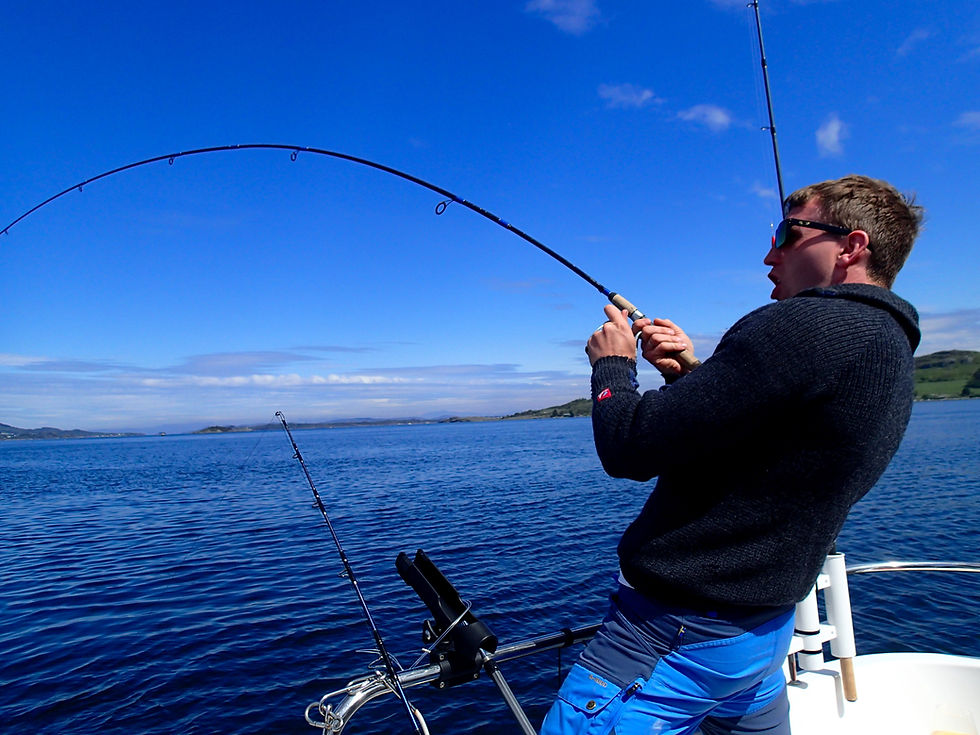
And when a fish takes, even relatively modest fish can feel surprisingly powerful on balanced light gear.
This is a big part of why light tackle fishing works so well during fishing in Stavanger fjords. If you’re new to this type of fishing, you can also read my complete guide to fjord fishing in Stavanger, where I explain how the local fjord system, underwater structure, and fishing conditions work in practice.
For many guests, this quickly becomes one of the most memorable parts of the entire trip — and one of the reasons Stavanger fishing feels so different from traditional offshore fishing.
What Is Light Tackle Fishing?
Light tackle fishing is a lighter and more sensitive form of saltwater fishing compared to traditional heavy sea fishing gear.

This usually includes:
lighter rods
smaller reels
thinner braided line
lighter lures or bait rigs
The goal is not to overpower the fish, but to create a setup where you can clearly feel what is happening and stay actively connected throughout the fishing.
During fishing in Stavanger, this type of setup works especially well because much of the fishing takes place in relatively moderate depths, often around shallow structures, islands, kelp areas, and underwater edges where fish actively hunt for food.
Instead of relying on raw strength, the experience becomes more about precision, balance, and understanding the environment.
This is one of the reasons why light tackle fishing in Norway has become increasingly popular among both beginners and experienced anglers looking for a more engaging fishing experience.
Why Light Tackle Fishing Feels So Different
The biggest difference is sensitivity.

With heavy gear, much of the movement below the surface gets filtered away. With light tackle, you feel almost everything:
the lure touching bottom
changes in seabed terrain
seaweed or kelp
subtle bites
how the fish reacts during the fight
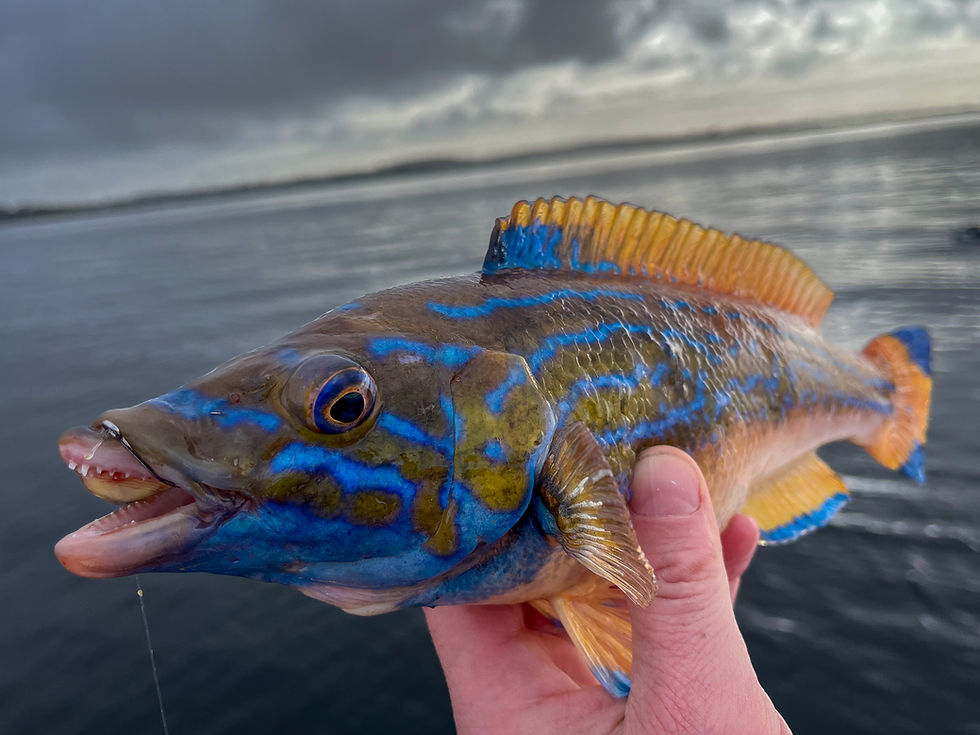
This creates a completely different connection to the fishing itself. Even smaller fish suddenly become exciting because the equipment allows you to feel their movement much more directly. Species like pollack, cod, wrasse, and saithe often fight surprisingly hard when caught on lighter setups.
Instead of simply pulling fish up from depth, the fishing becomes more active, dynamic, and rewarding.
For many people, this is where Stavanger fishing stops feeling passive and starts becoming genuinely addictive.
Why Stavanger Fjords Are Perfect for Light Tackle Fishing
The Stavanger fjords are unusually well suited for this style of fishing.

Unlike exposed offshore fishing, many areas around Stavanger offer:
sheltered water
controlled drift
moderate depths
varied underwater terrain
active fish close to structure
This creates ideal conditions for lighter equipment. In many areas, the fjords around Stavanger remain relatively calm even when offshore conditions become rougher. This often allows for more controlled drifts and a more comfortable fishing experience.
You are often fishing around:
underwater edges
kelp forests
rocky transitions
shallow drop-offs
current lines between islands
Fish frequently hold surprisingly shallow in these areas, especially species like pollack and cod. The activity level can also change significantly throughout the year, which is why season and water temperature play an important role in fishing in Stavanger fjords.
You can read more about this in my guide to the best seasons for fjord fishing around Stavanger.
I explain more about how fish position themselves around structure and changing depths in my guide to how to find fish in the Stavanger fjords.
Because of this, there is often no need for extremely heavy setups. A lighter and more responsive rod gives a much better understanding of what is happening below the boat.
This is also one of the reasons many guests are surprised by how active and technical fishing Stavanger fjords can feel.
The Light Tackle Gear I Use in Stavanger
The exact setup changes depending on conditions, but most of my light tackle fishing in Stavanger is done using rods in the 20–80 gram range paired with smaller spinning or baitcasting reels.

One of my most used combinations is:
Penn Battalion Solid Light Jig rod
Penn Battle IV 3000 reel
thin braided line around 0.14–0.19 mm
For even more direct control, I sometimes use:
SG4 Fast Game BC
Penn Squall Low Profile reel
These setups are light enough to maximize sensitivity, while still being strong enough to handle surprisingly large fish.
In calmer shallow-water conditions, I occasionally go even lighter and use ultralight setups in the 4–10 gram range. This creates an extremely direct and responsive experience where even smaller fish become highly enjoyable to catch.
The goal is always balance — not simply using the lightest possible gear.
You can read more about the specific equipment and setups I use in my guide to best fishing gear for fishing in Stavanger, Norway.
Why Pollack Are So Popular on Light Gear
Pollack are one of the species that make light tackle fishing in Stavanger especially exciting.

They are:
aggressive hunters
strong fighters
fast-moving
often found close to structure
When hooked on light gear, pollack frequently dive hard toward kelp and underwater structure, forcing you to react quickly and stay in control.
This creates a much more intense fight than many people expect. On balanced tackle, even medium-sized pollack can feel extremely powerful. Many guests are genuinely surprised the first time a pollack dives aggressively toward kelp on light gear. What initially looks like an average-sized fish often feels far more powerful than expected once the fight starts.
For many guests, this becomes one of the highlights of fishing in Stavanger because the fishing feels active from the very first moment.
Light Tackle Fishing Is Not About Catching Smaller Fish
One common misunderstanding is that lighter gear only means smaller fish. That is not necessarily true.

In Stavanger fjords, relatively light setups are often capable of handling surprisingly large fish because:
the water is sheltered
drift can often be controlled
the gear is balanced correctly
modern braided lines are extremely strong
The goal is not to make the fight unnecessarily difficult, but to create more sensitivity and involvement during the fishing.
A balanced setup often creates a much more enjoyable experience than simply using the heaviest possible equipment.
This is a major reason why many experienced anglers who try Stavanger fishing are surprised by how rewarding lighter tackle can feel.
Why Guests Often Prefer Light Tackle Fishing
Many guests arrive expecting traditional heavy sea fishing. But after trying lighter and more sensitive setups, they often prefer it almost immediately.

The fishing becomes:
easier to understand
more physical
more visual
more interactive
less tiring
You are constantly involved in what is happening rather than simply waiting. This also creates a calmer atmosphere on board. With fewer heavy rigs and more controlled fishing, it becomes easier to guide each guest individually and explain what is happening throughout the drift.
For beginners, this often makes fishing feel much less intimidating.
This is also one of the reasons why fjord fishing in Stavanger is so well suited for beginners and families, especially compared to heavier offshore fishing.
If you’d like to experience this type of fishing yourself, you can also explore my private fishing tours in Stavanger, where I adapt the fishing style, locations, and equipment to both conditions and experience level.
Combining Light Tackle Fishing with Sonar and Structure
One of the reasons this type of fishing works so well on my trips is that guests can actively follow what is happening below the boat.

Using sonar and live depth information, we can:
identify underwater structure
locate fish activity
adjust drift
follow depth transitions
react in real time
This turns the fishing into something much more visual and understandable.
Instead of randomly fishing open water, guests begin to understand why fish hold in certain areas and how small adjustments affect results.
Combined with light tackle, this creates a very engaging learning experience. This is also a big part of why many guests choose private fishing trips in Stavanger instead of larger shared fishing tours.
Weather, current, and drift also play a major role in how fish behave and how we position the boat throughout the day. I explain this in more detail in my guide to how weather, wind and tides influence private fjord fishing tours in Stavanger.
Is Light Tackle Fishing Suitable for Beginners?
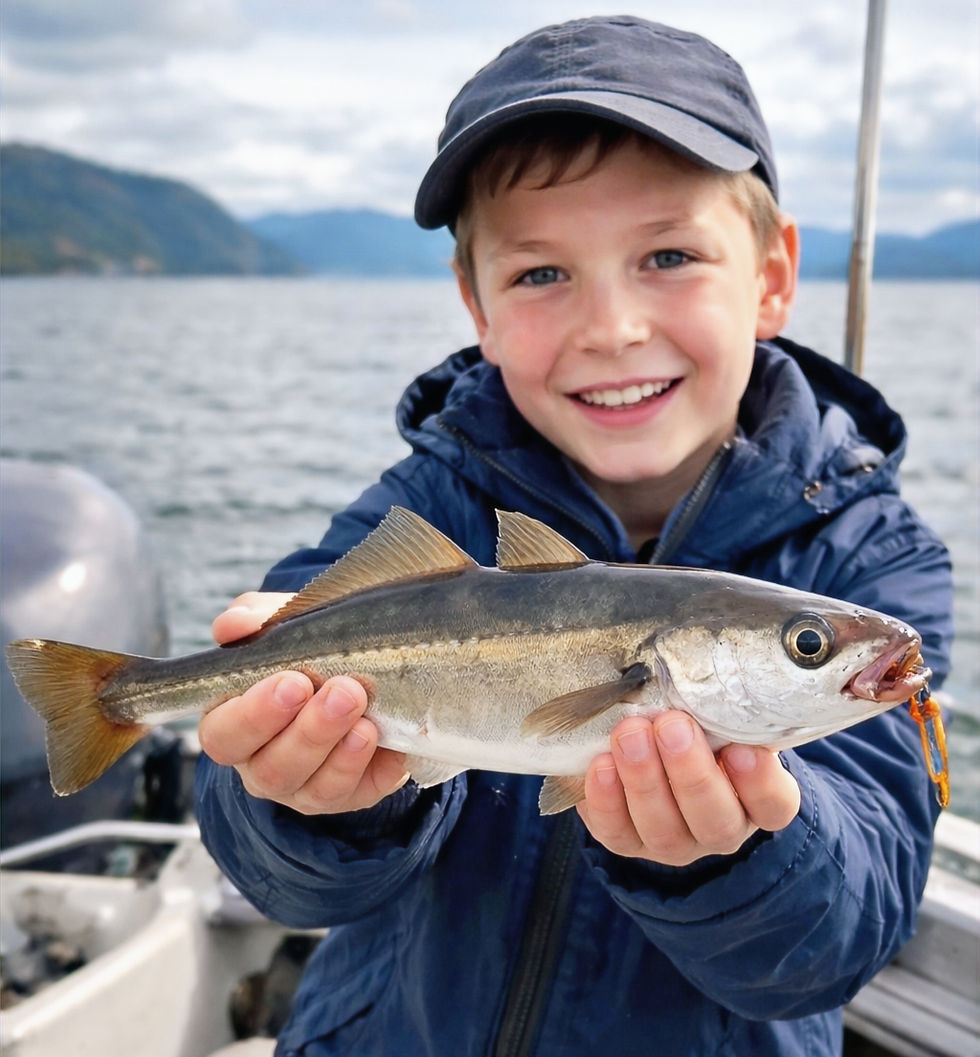
Yes — in many ways, it is actually better for beginners. Because the equipment is lighter and easier to control, this type of fishing also works especially well for children and families who want a calmer and more comfortable experience on the water.
The lighter setups are:
easier to handle
less physically demanding
more sensitive
easier to understand
Because guests feel more of what is happening, it becomes easier to learn technique and recognize bites. The fishing also becomes less mechanical and more intuitive.
For many people with little or no fishing experience, this creates a much more enjoyable first introduction to fishing in Stavanger.
You can also read more in my guide about whether fjord fishing in Stavanger is suitable for beginners.
Light Tackle vs Heavy Offshore Fishing
There is a major difference between light tackle fjord fishing and traditional offshore fishing.

Offshore fishing often focuses on:
greater depths
heavier sinkers
larger reels
more physical lifting
open sea conditions
Light tackle fishing Stavanger fjords focuses more on:
sensitivity
control
structure
technique
interaction
Both styles can be exciting, but they create very different experiences. For many guests, the lighter and more controlled approach simply feels more rewarding and easier to connect with.
If you want a deeper comparison between fishing styles, you can also read my guide to deep water vs shallow water fjord fishing in Stavanger.
Why Light Tackle Fishing Becomes Addictive
The addictive part is not only catching fish.
It is the constant feedback.
Every movement matters.

Light tackle fishing in Stavanger becomes addictive because you constantly feel what is happening below the surface — subtle bites, changing seabed, current, drift, and fish movement. Combined with live sonar displayed on the iPad beside the fishing position, guests can actively follow depth, structure, and fish activity in real time, making the entire Stavanger fishing experience far more engaging and immersive.
Instead of simply lowering heavy gear and waiting, you become directly connected to what is happening beneath the boat.
Small changes suddenly matter. You begin to notice how the lure moves across different bottom structures, how current affects the drift, and how fish react before they even bite.
You feel:
the lure moving
the seabed changing
fish reacting
current and drift
subtle bites
For many guests, this changes how they think about fishing entirely. The fishing becomes more visual, technical, and interactive without feeling stressful or overly complicated.
Because the gear is lighter and more sensitive, even relatively modest fish can feel surprisingly strong and exciting. At the same time, the sonar helps guests understand why fish are holding in certain areas and how small adjustments can improve results throughout the drift.
The fishing becomes more dynamic and immersive. Instead of waiting passively, you stay mentally involved throughout the drift.
This is often what surprises guests the most during Stavanger fishing. The experience feels calmer and more relaxed than offshore fishing, yet at the same time more active, engaging, and memorable.
Frequently Asked Questions About Light Tackle Fishing in Stavanger
Below are some of the most common questions I receive about light tackle fishing in Stavanger fjords. These are based on what guests often ask before and during guided fishing trips in Stavanger, especially visitors who are new to fjord fishing in Norway.
Is light tackle fishing suitable for beginners?
Yes. In many ways, light tackle fishing is actually better for beginners than traditional heavy sea fishing.
The equipment is lighter, easier to handle, and much more sensitive, which makes it easier to understand what is happening below the surface. Guests can clearly feel the bottom, recognize bites more easily, and stay actively involved throughout the fishing.
This creates a calmer and more enjoyable introduction to fishing in Stavanger, especially for families and first-time visitors.
If you want to learn more, you can also read my guide about whether fjord fishing in Stavanger is suitable for beginners.
What fish can you catch on light tackle in Stavanger?
A surprisingly wide variety of species can be caught on light tackle during fishing in Stavanger fjords.
Common species include:
pollack
cod
saithe
wrasse
mackerel
flatfish
small sharks in some areas
In shallow and moderate depths, lighter setups are often more than strong enough to handle these species while still making the fishing feel active and exciting.
You can also read more in my guide to what fish you can catch on a private fjord fishing tour in Stavanger.
Is light tackle fishing in Stavanger only done in shallow water?
No. Although ultralight fishing is often done in shallow water, most light tackle fishing in Stavanger takes place in depths between 10–80 meters.
The sheltered fjord conditions allow lighter and more sensitive setups to work very effectively even at moderate depths. This creates a much more controlled and engaging fishing experience compared to traditional heavy offshore fishing.
Is light fishing gear strong enough for larger fish?
Yes. Modern rods, reels, braided lines, and drag systems are surprisingly powerful despite their relatively light size.
When balanced correctly, light tackle gear can safely handle surprisingly strong fish in Stavanger fjords, including larger pollack and cod.
The goal is not to fight fish with extremely weak equipment, but to create a setup that improves sensitivity and connection without sacrificing control.
Why does light tackle fishing feel more exciting?
The biggest reason is sensitivity.
With lighter and more balanced equipment, you feel much more of what is happening below the surface:
lure movement
bottom contact
terrain changes
subtle bites
fish behavior during the fight
This creates a far more immersive and active experience compared to simply lowering heavy gear and waiting.
For many guests, this is what makes Stavanger fishing surprisingly addictive.
Is light tackle fishing physically demanding?
No. In most situations, it is actually less tiring and more comfortable than traditional heavy sea fishing.
The lighter equipment reduces strain on the arms and shoulders, while also making it easier to fish actively for longer periods.
This is one of the reasons why light tackle fishing in Stavanger works especially well for:
beginners
families
older guests
people who simply want a calmer and more relaxed fishing experience
Do you provide all fishing gear on your Stavanger fishing trips?
Yes. All fishing gear is included and fully prepared before the trip.
This includes:
rods
reels
braided line
bait and lures
rigs
safety equipment
The equipment is adapted to the conditions, target species, and type of fishing we plan for the day.
You can also read more in my guide to best fishing gear for fishing in Stavanger, Norway.
This is one of the reasons many guests prefer guided fishing trips in Norway where the equipment is already adapted to local fjord conditions.
Why is light tackle fishing so popular in Stavanger fjords?
The Stavanger fjords create unusually good conditions for this style of fishing.
The combination of:
sheltered waters
varied underwater terrain
moderate depths
active fish close to structure
makes it possible to fish with lighter and more sensitive setups while still targeting surprisingly strong fish.
For many guests, this creates a calmer, more technical, and far more engaging fishing experience than they expected before trying fishing in Stavanger.
Is light tackle fishing good in Norway?
Yes. Norway offers excellent conditions for light tackle saltwater fishing, especially in sheltered fjord systems like Stavanger.
While many visitors associate fishing in Norway with heavy offshore fishing, fjord environments often allow for lighter and more sensitive setups that create a more active and enjoyable experience.
This is one of the reasons why light tackle fjord fishing in Norway has become increasingly popular among international visitors.
What is the best rod for fjord fishing in Norway?
For most fjord fishing situations in Stavanger, a light to medium rod rated around 20–80 grams works extremely well.
The ideal rod depends on:
depth
drift
target species
fishing technique
The goal is usually to use equipment that provides enough sensitivity to feel the bottom clearly while still having enough strength to control larger fish when needed.
What size reel is best for Stavanger fishing?
For most light tackle fishing in Stavanger, smaller reels in the 3000–4000 size range work very well.
These reels provide a good balance between:
weight
line capacity
comfort
control
For deeper fishing or heavier techniques, slightly larger reels may sometimes be used.
Can beginners do light tackle fishing in Stavanger?
Absolutely.
In fact, many beginners find light tackle fishing easier and more enjoyable than traditional heavy sea fishing because the equipment is lighter, simpler, and more responsive.
The fishing also becomes easier to understand because guests can clearly feel what is happening below the surface throughout the drift.
What is the difference between fjord fishing and offshore fishing?
Fjord fishing usually takes place in more sheltered waters with moderate depths and varied underwater terrain.
Offshore fishing typically involves:
deeper water
heavier equipment
larger sinkers
rougher conditions
longer runs offshore
Fjord fishing in Stavanger focuses more on:
sensitivity
structure
control
technique
comfort
If you want a more detailed comparison, you can also read my guide to deep water vs shallow water fjord fishing in Stavanger.
What line is best for fishing in Stavanger fjords?
For most situations, thin braided line in the 0.14–0.19 mm range works extremely well.
Braided line improves:
sensitivity
bottom contact
bite detection
drift control
I also typically use a short mono leader near the lure or bait to improve abrasion resistance around rocks and structure.
For deeper fishing, slightly heavier braided lines may sometimes be necessary depending on current and depth.
Why does light tackle fishing work so well in Stavanger fjords?
The Stavanger fjords combine several conditions that are ideal for light tackle fishing:
sheltered waters
moderate depths
active fish close to structure
controlled drift
varied seabed terrain
This allows lighter and more balanced setups to perform extremely well while still providing a calm and highly engaging fishing experience.
For many guests, this becomes one of the most memorable parts of fishing in Stavanger and one of the reasons they return again later.
Every fishing trip in Stavanger is slightly different depending on weather, season, drift conditions, and the type of experience you are looking for. Whether you are interested in light tackle fishing, deep water fishing, or a calm private fjord fishing trip in Stavanger, the setup is always adapted to the conditions and the people on board.
If you are unsure which type of fishing suits you best, or simply want to learn more about fishing in Stavanger fjords and fjord fishing in Norway, feel free to reach out. I’m always happy to help you choose the right guided fishing experience in Stavanger.
A More Engaging Way to Experience Stavanger Fishing
For me, light tackle fishing represents much of what fishing in Stavanger is really about. It is calm, controlled, and deeply connected to the environment around you.

You are not simply trying to haul fish from deep water as efficiently as possible. You are actively experiencing:
the structure
the drift
the movement
the fish
the fjord itself
That connection is what makes this style of fishing so rewarding — and why many guests end up remembering this part of their Stavanger fishing experience more than the number of fish they actually catch.
This is also a big part of what makes Stavanger fishing different from many other fishing destinations in Norway. The sheltered fjords, varied structure, and balanced fishing setups create a calmer and more personal experience that many guests remember long after the trip is over.
If you’d like to experience this type of fishing for yourself, you can explore my private fishing tours in Stavanger, where I adapt the fishing style, equipment, and locations to both conditions and experience level.
Calm. Personal. Real

Comments